Grappling is no longer a niche pursuit, and Maplewood is quickly becoming a place where everyday adults train like it matters.
Walk into almost any conversation about fitness trends right now and you will hear the same themes: people want training that feels real, skills-based, and sustainable. That is exactly why grappling has surged. Brazilian Jiu-Jitsu in particular has grown to an estimated 6 million practitioners worldwide, with roughly 750,000 in the United States, and overall interest in BJJ has more than doubled over the last decade.
We see that momentum up close in Maplewood. More adults want a practice that builds strength and conditioning, but also teaches control, composure, and problem-solving under pressure. Grappling checks those boxes in a way that treadmills and random workouts rarely do, and it also creates something many people do not realize they are missing: a consistent training community.
There is also a bigger story unfolding in the sport itself. Modern grappling is evolving quickly, shaped by competition data, cross-training with wrestling, and a wave of no-gi and MMA-adjacent styles. Our job is to bring that revolution down to earth and make it useful for your actual life, your actual schedule, and your actual starting point.
Why grappling is growing faster than traditional martial arts
If you trained martial arts years ago, you might be surprised by the shift. Search interest in Brazilian Jiu-Jitsu rose about 104.35 percent from 2004 to 2024, outpacing striking arts like Muay Thai and contrasting with declines in judo, karate, and taekwondo. That does not mean those arts have no value. It means the market is telling a clear story: people are prioritizing live, resistance-based skill development.
Grappling offers an immediate feedback loop. You learn a movement, you try it with a partner, and you discover what works when timing, balance, and pressure are real. That makes training feel honest. It is also why so many adults stick with it even when life gets busy, because progress is measurable in small, satisfying steps.
The industry numbers support what we feel locally. The submission grappling market is valued around USD 500 million in 2025 and is projected to reach USD 1.2 billion by 2030 at about a 15 percent CAGR. Growth like that is not driven by hype alone. It is driven by retention, community, and a training method that people keep returning to.
Maplewood’s mat culture: suburban life meets a modern combat sport
Maplewood does not need to look like a fight city to become a grappling town. In fact, the suburb-meets-urban-energy mix is part of the reason the sport fits here so well. We are close to a major combat sports corridor, and plenty of people commute, cross-train, or simply want a serious workout that feels different from their desk-bound day.
What we notice in our adult grappling classes is that people come in with very practical motivations. Some want a new fitness challenge that does not wreck their joints. Some want self-defense skills rooted in control rather than chaos. Some are drawn to the mental side: staying calm, thinking two steps ahead, and learning to solve problems with your body.
And yes, some people just want to learn something cool that also happens to be extremely effective. That is a perfectly valid reason, too.
What “grappling” actually means in modern training
Grappling is a broad term, and that can confuse beginners. In our program, we treat grappling as the overall skill set of controlling an opponent through clinching, takedowns, positional control, escapes, and submissions. Brazilian Jiu-Jitsu is a major pillar of that, but modern training also borrows heavily from wrestling and the realities of no-gi movement.
We like to explain it in plain language: grappling is the art of managing distance when you are close enough to touch, and then learning how to control what happens next. That includes getting someone to the ground safely, staying on top, getting back up, or finishing with a submission when it is appropriate.
It is not just about submissions, either. Position is the foundation. If you can hold position, you can breathe. If you can breathe, you can think. And when you can think, you can learn faster.
The information revolution: why data is changing how people train
The sport is getting smarter, and that is good news for you. Competition platforms and stats databases now track what actually finishes at high levels, and the picture is often different from what people assume. For example, Digitsu’s BJJ stats database shows that omoplata finishes are relatively rare, around 1.3 percent overall, with a slightly higher rate in the gi. That does not mean the technique is bad. It means high-percentage training requires context, timing, and realistic expectations.
We use this kind of insight to keep training practical. Not every class needs to chase trendy moves. At the same time, we are not stuck in the past. We pay attention to what succeeds under pressure and why, then we translate it into drills and progressions that adults can actually absorb.
Another interesting layer is athlete ranking metrics like ELO-style approaches that are becoming more common. You do not need to be a competitor to appreciate that mindset. It simply reinforces a healthy truth: progress is built through consistent reps, not magic.
Competition trends that shape everyday training
Even if you never plan to compete, competition trends influence the techniques you will encounter on the mat. In 2024 ADCC, Brazil led the medal count with 17 medals, with the United States earning 9, and submission rates were especially high in heavier men’s divisions, reaching about 56.25 percent in the minus 99 kilogram and plus 99 kilogram brackets. That tells us something important: when pressure, pace, and control increase, the finishing sequences that work tend to be the ones rooted in strong positioning and decisive commitment.
The 2024 to 2025 trend cycle also highlights:
- More wrestling integration and stronger standing games
- Increased interest in flying and standing submissions
- Less reliance on traditional guard play as a default plan
- More crossover with MMA athletes and styles
- More training guided by video analysis and statistics
We do not treat these as fads. We treat them as signals. Our goal is to help you build fundamentals that last, then layer in modern adaptations as your timing improves.
What you can expect in our adult grappling classes
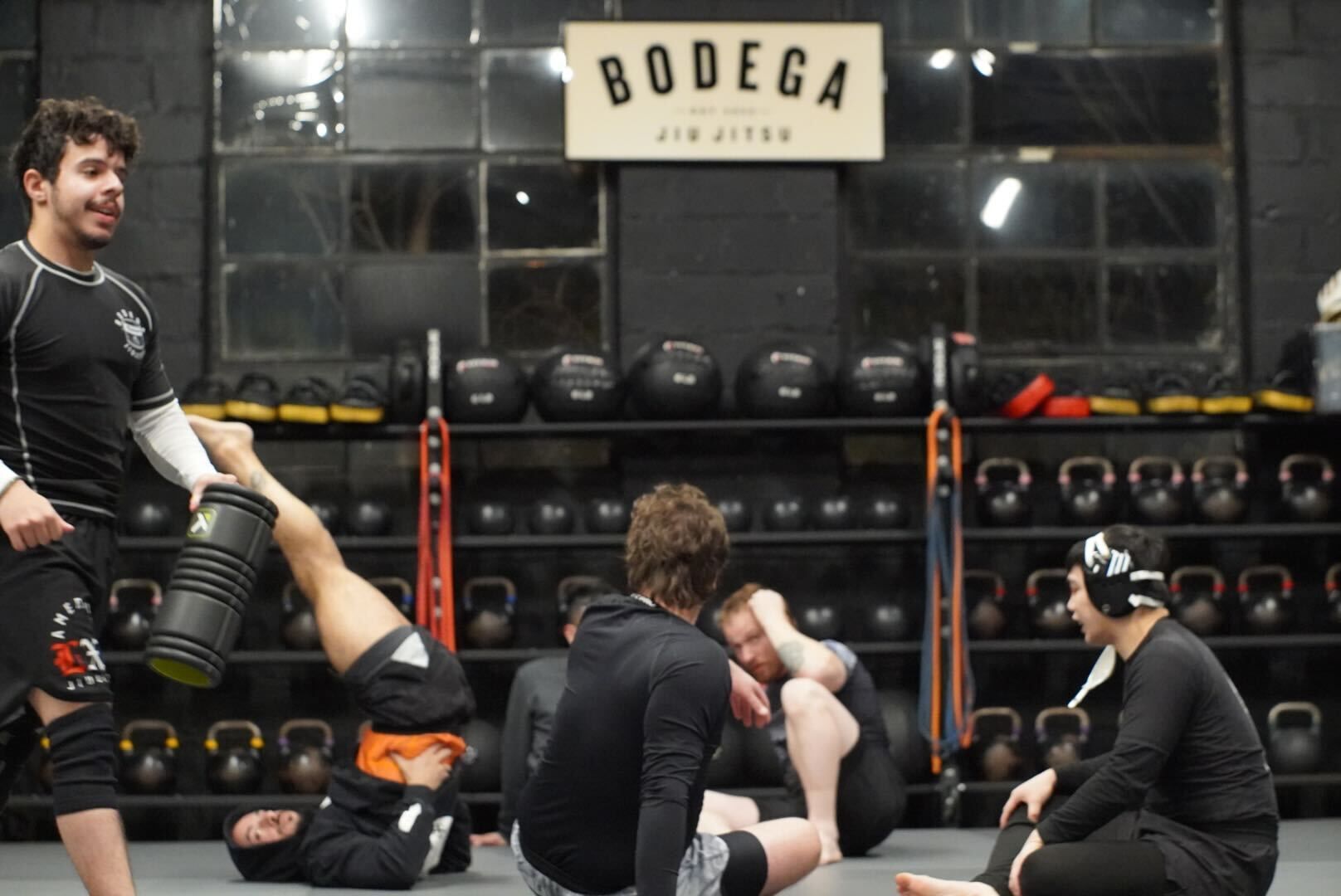
Most adults want clarity. You want to know what a class actually feels like before you commit. Our adult grappling classes are structured, coached, and progressive. We teach technique, we give you reps, and we make sure you get to pressure-test skills in a controlled way.
A typical training arc looks like this:
1. Warm-up that reinforces movement patterns you will use in live rounds
2. Technical instruction with clear goals and common mistakes addressed up front
3. Partner drilling with coaching and adjustments
4. Situational sparring that limits variables so you can learn faster
5. Optional live rounds, scaled to experience level and comfort
That structure matters because grappling can feel overwhelming at first. There are a lot of positions, and everything has a name. We keep it simple: you learn where to put your weight, how to protect your neck and arms, and how to escape bad spots before you worry about anything flashy.
A quick guide to getting started without overthinking it
Starting is easier when you know what to bring and what not to stress about. We keep onboarding straightforward, and we will help you through the small details that beginners should not have to guess.
Here is what we recommend for your first few sessions:
- Wear comfortable athletic gear that you can move in, and bring water
- Arrive a bit early so we can walk you through the space and basic etiquette
- Focus on survival and positioning, not “winning” exchanges
- Ask questions when something does not click, because that is normal
- Train consistently, even once or twice a week, so your learning compounds
You do not need a background in wrestling, lifting, or martial arts. You just need a willingness to learn and the patience to be new at something, which is honestly a skill by itself.
Fitness, self-defense, and the less obvious benefits
People often show up for fitness and stay for the mindset shift. Grappling builds full-body strength, grip endurance, and conditioning, but it also trains composure. You learn how to manage uncomfortable positions and keep working through them. That carries over to stressful meetings, tough conversations, and the general friction of adult life.
From a self-defense perspective, grappling gives you a framework for controlling distance, clinching safely, and managing someone who is trying to overwhelm you. We focus on principles that scale: posture, base, leverage, and awareness. We also keep training respectful and controlled, because skill grows faster when you are not constantly nursing avoidable injuries.
One more underrated benefit is how social the learning becomes. You will work with training partners of different sizes, backgrounds, and styles. That variety teaches adaptability, and it also makes the room feel like a community rather than a gym full of strangers.
Should beginners compete in grappling?
You do not have to compete. But it is more common than many people think. A 2024 to 2025 survey of nearly 2,000 practitioners found 43.6 percent had competed recently, and 61.2 percent had competed at least once in their lifetime. That is a big number, and it tells us the barrier to entry is not as high as people imagine.
We look at competition as one tool among many. If you want a clear goal and a deadline, competition can sharpen your focus. If you prefer to train for fitness, skill, and personal development, that path is equally valid. Our role is to prepare you safely either way, with fundamentals first and intensity added at the right time.
The Maplewood outlook: where this revolution goes next
Everything about the broader sport points to continued growth. Interest is rising, the market is expanding, and training methods are becoming more evidence-based. For Maplewood, that means more adults will keep looking for high-quality grappling arts Maplewood can be proud of, not just as a trend but as a durable part of local fitness culture.
We think the most exciting part is that this is not limited to one type of person. We see parents, professionals, former athletes, and complete beginners all finding their place on the mat. The common thread is progress: small improvements that stack up until you move differently, breathe differently, and handle pressure differently.
If you have been curious, you are not late. This is still the early phase of a long arc, and Maplewood is in a great position to embrace it.
Take the Next Step
The grappling revolution feels global when you look at the numbers, but it becomes real when you step onto the mat and start building skills one round at a time. At Bodega Jiu-Jitsu, we keep training structured, modern, and beginner-friendly while still respecting the depth that makes the art worth pursuing.
If you want adult grappling classes that balance fundamentals, live practice, and the evolving trends shaping the sport, we are ready to help you start with a plan that makes sense for your goals and your schedule at Bodega Jiu-Jitsu.
Train with experienced instructors in a supportive environment by joining a grappling class at Bodega Jiu-Jitsu.