
Grappling turns scattered attention into calm problem-solving, and it teaches teens how to bounce back when things get hard.
Maplewood teens juggle a lot: school workloads, sports, friendships, phones that never stop buzzing, and the pressure to figure out what comes next. When focus slips, it is rarely about intelligence. It is usually about stress, distractions, and not having a consistent way to reset.
That is where grappling shines. On the mat, you cannot multitask. You have one job: stay present, solve the problem in front of you, and keep your emotions steady while you work. We see teens carry that skill into the classroom, into tryouts, and into everyday conversations.
Research lines up with what we notice in training. Youth who practice Brazilian Jiu-Jitsu often report major gains in confidence, lower anxiety, and stronger commitment over time, and families frequently notice those skills transferring into daily life. The structure matters, the repetition matters, and the supportive coaching matters.
Why grappling is different from “just another activity”
Grappling gives your brain a very specific kind of challenge. It is physical, but it is also strategic. Every position asks you to think in layers: what is happening now, what could happen next, and what you need to do to stay safe while you improve your position.
For teens, that blend is powerful because it teaches focus without needing a lecture. You learn focus by doing. Drills require attention to small details, and live training forces quick decision-making under pressure. Over time, that practice becomes a habit: notice the problem, breathe, respond.
We also like that grappling is honest. If a technique works, it works. If it does not, you adjust. That feedback loop builds self-efficacy, the belief that you can learn hard things with practice, which is a core ingredient for resilience.
Focus: how the mat trains attention the way school rarely can
Focus is not just “trying harder.” It is a skill: selecting what matters, ignoring what does not, and staying steady when you feel stress rise. On the mat, attention has consequences. If you drift for two seconds, you lose position. That is immediate feedback, and teens understand it fast.
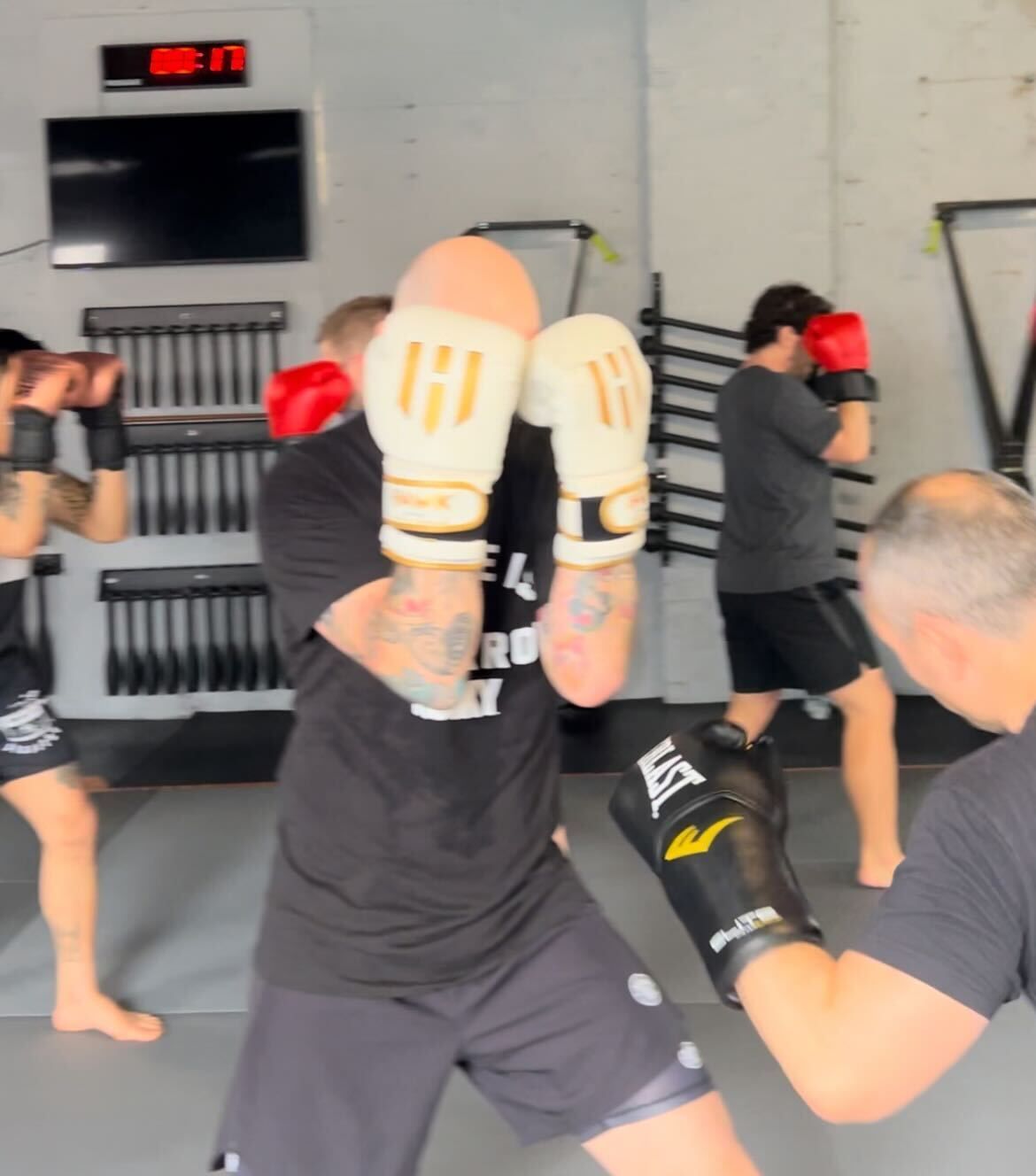
Our classes build attention in layers. Early on, we emphasize posture, base, and safe movement. Those fundamentals sound simple, but they demand concentration. Then we add structured drills where teens repeat a movement pattern until it becomes automatic. Finally, we guide controlled sparring where the goal is not chaos, it is applying one or two ideas at a time.
A surprising bonus is that grappling rewards patience. Teens learn to pause, feel what is happening, and choose the next step instead of reacting emotionally. That same pause is what helps with test anxiety, social pressure, and impulsive decisions.
What focused training looks like in a typical teen class
Most teen sessions follow a consistent rhythm that makes it easier to settle in mentally.
• Warm-up with purposeful movement that builds coordination and body awareness, not random exhaustion
• Technique instruction where we break one skill into steps, then connect it to a real position
• Partner drilling with clear goals, so attention stays on details like grips, angles, and timing
• Live rounds with boundaries that keep training safe and constructive, even for newer students
• A quick reset at the end so teens leave feeling grounded rather than “amped up”
Consistency is part of the magic. When teens know the structure, the mind stops spinning and starts working.
Resilience: learning to lose safely, then come back stronger
Resilience is not toughness for the sake of toughness. It is the ability to recover, adapt, and keep going. Grappling teaches this in a controlled way because it includes small failures built into the process. You get stuck. You tap. You try again. And nothing about that is a catastrophe.
That experience is important for teens who feel like every setback is permanent. On the mat, setbacks are normal. You learn to separate your identity from your outcome: losing a position is information, not a verdict. Over time, teens become less fragile around mistakes and more willing to work through challenges.
Studies on martial arts and youth mental health point to reductions in anxiety, depression, and aggression risk, in part because training encourages goal-setting, emotional regulation, and prosocial behavior. We see that shift when teens start taking responsibility for their reactions. Instead of blaming a partner or shutting down, they learn to ask, “What should I do differently next time?”
The resilience lesson hidden inside a tap
Tapping is one of the healthiest skills a teen can learn. It teaches boundaries and communication. It also teaches humility, which is not weakness, it is reality-based confidence.
When teens tap, we frame it as a win for awareness. You recognized the moment you were caught and chose to reset safely. Then you review what happened and you improve. That is resilience in a nutshell.
Confidence without ego: why teens stand taller after a few months
Confidence from grappling is different from bravado. It is quiet. It comes from knowing you can handle pressure, solve problems, and keep yourself safe. In youth surveys, practitioners report strong improvements in confidence and decreases in anxiety, and families frequently note that discipline shows up at home and in school.
We also notice something that is easy to miss: teens start to trust their own learning process. They stop needing instant success. They start saying things like, “I am not good at this yet.” That small word, yet, is the growth mindset in action.
This matters in Maplewood, where many teens are high-achieving and feel the weight of expectations. Grappling gives them a place to be a beginner again, to struggle in a healthy way, and to realize that struggle is not shameful. It is normal.
Safety for Maplewood teens: what responsible training actually means
Parents often ask if grappling is safe, especially for beginners. We take that seriously. Safe training is not an accident, it is a system: clear rules, controlled intensity, and coaching that emphasizes technique over strength.
We start beginners with positions and escapes that prioritize protection. We teach how to fall, how to frame, how to move hips and shoulders without forcing joints. Then we introduce sparring in a way that matches experience and size, with supervision and guidance.
In practical terms, our safety culture looks like this: tap early, respect your partner, and keep control. When teens learn those habits, injuries drop and learning speeds up. It is also a life lesson: you can train hard without being reckless.
How often should your teen train to see results?
Consistency beats intensity. For many teens, one to two sessions per week is enough to build momentum and see noticeable changes in confidence and focus within the first month or two. Research and parent reports commonly show benefits at that pace, including reduced anxiety and stronger commitment.
As teens train longer, the mental benefits tend to deepen. More experienced grapplers often show higher grit, self-control, and overall life satisfaction compared to brand-new students, with positive links to years of practice. We do not rush that process. We build it.
If your teen enjoys it and wants more, adding a third session can accelerate technical growth, but the best schedule is the one your family can sustain without stress.
A simple timeline: what progress can look like over the first 12 weeks
Every teen is different, but most follow a similar arc when training is steady.
1. Weeks 1 to 2: learning basic positions, getting comfortable with contact, understanding tapping and rules
2. Weeks 3 to 6: better cardio and coordination, less panic in bad spots, noticeable focus during drills
3. Weeks 7 to 12: more confident decision-making in sparring, improved emotional control, stronger resilience after setbacks
Around this time, many teens also start asking smarter questions, which is a great sign. Curiosity is focus with momentum.
Why Maplewood families like training together
One of our favorite dynamics is when parents and teens train in parallel. Teens see adults struggle, learn, and keep showing up. Adults see how demanding and thoughtful grappling really is. That shared experience can change the tone at home in a good way.
We offer pathways that make that possible, including adult grappling classes that fit real schedules. If you have been searching for adult grappling in Maplewood, this is a practical way to model resilience instead of only talking about it. And for parents who want a clear plan, our adult grappling classes emphasize fundamentals, safe progression, and steady improvement.
Training together does not mean being in the same class every time. It means sharing a culture of effort: showing up, learning, and staying calm under pressure. That is something teens notice.
The skills teens carry off the mat
The biggest payoff is not a single technique. It is the behavior change that shows up in everyday life. Teens who stick with grappling often develop a steadier baseline: less reactivity, more problem-solving, and more willingness to do hard things.
Here are a few off-the-mat transfers we hear about most often:
• Better study habits because teens practice staying with discomfort instead of escaping it
• Improved emotional regulation, especially after a frustrating moment at school or home
• More respectful communication, since training requires clear boundaries and mutual safety
• A healthier relationship with failure, because tapping and resetting is normal
• Stronger self-confidence that does not depend on being perfect
These are life skills, and the earlier a teen learns them, the more useful they become.
Take the Next Step
If your goal is to help your teen build focus, resilience, and real confidence, grappling gives a clear path: show up, learn the system, practice under pressure, and grow week by week. We keep training structured and supportive so teens can work hard without feeling overwhelmed, and we make sure progress is measurable, not vague.
When you are ready, Bodega Jiu-Jitsu is here in Maplewood with youth programs and adult options under the same roof, including adult grappling classes that let you train alongside your teen in a way that fits your schedule and your goals.
Get stronger and more conditioned through grappling at Bodega Jiu-Jitsu.