


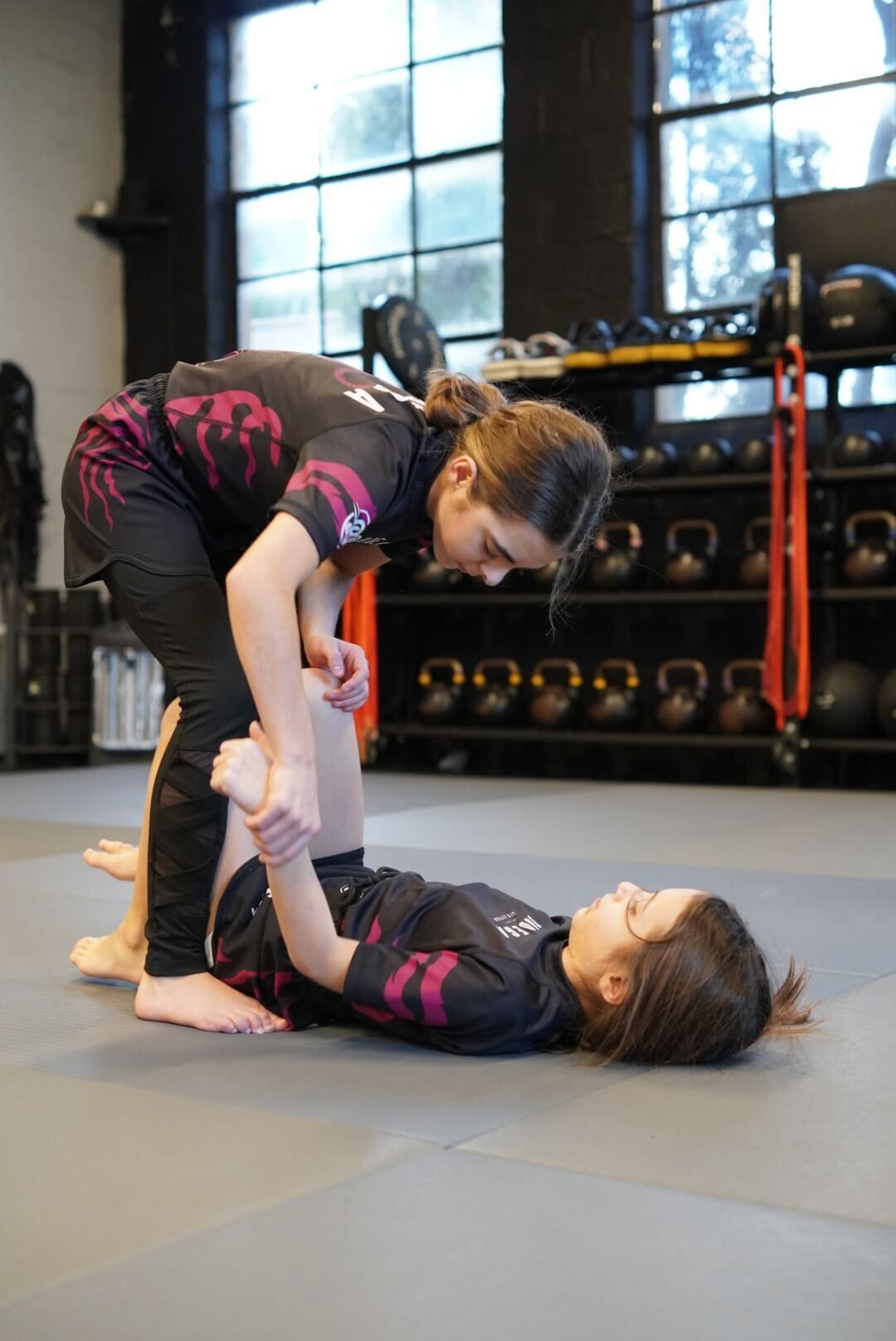
The fastest way for kids to feel like they belong is to share a challenge, practice together, and celebrate small wins side by side.
Parents often tell us they are not only looking for an activity, but also looking for connection: a place where your child can make real friends, not just show up and drift to the corner. Youth Jiu-Jitsu stands out because it is built around partner training, cooperation, and respectful structure, which makes friendships form in a surprisingly natural way.
In Maplewood, kids already juggle busy school days, screens, and shifting social circles. Youth Jiu-Jitsu in Maplewood can become that steady “third place” outside school and home where your child feels known, supported, and part of a team, even though it is not a team sport in the usual sense.
Our goal in this guide is simple: help you understand how youth classes can build healthy friendships, what to expect from a beginner-friendly environment, and how to tell whether a program is the right fit for your child’s personality and stage of development.
Why Youth Jiu-Jitsu builds friendships differently than most after-school activities
A lot of kids activities place social pressure front and center. Some children love that. Others shut down when the room feels loud, competitive, or cliquey. Youth Jiu-Jitsu flips the script. Instead of forcing social interaction, the class format creates it through shared tasks.
When kids drill a technique together, your child has a job to do and a partner to help. Conversation happens in small, manageable moments: “Was that too tight?” “Can you try again?” “Good job.” Those small exchanges add up to trust, and trust is the foundation of healthy friendships.
In a well-run youth program, students rotate partners, which matters more than many parents realize. Your child learns how to work with different personalities, sizes, and energy levels. Over time, that builds social flexibility: the ability to connect without needing the “perfect” match every time.
The social science of the mat: how partner training creates belonging
Jiu-jitsu is often called “human chess,” but for kids, it is also a communication practice disguised as movement. Most techniques require cooperation to learn safely. That cooperation teaches social skills in a way that feels real, not like a lecture.
Here is what kids practice every time we pair them up:
• Taking turns, so one child learns while the other helps
• Giving and receiving feedback in simple, kid-friendly language
• Noticing body language, like when a partner looks confused or uncomfortable
• Apologizing quickly if something feels too rough, then resetting respectfully
• Encouraging a teammate, even when your own turn is coming up next
Youth Jiu-Jitsu works because these lessons repeat weekly, sometimes multiple times a week. Kids do not “learn empathy” once. They rehearse it in small doses until it becomes normal.
Youth Jiu-Jitsu in Maplewood: why local families keep choosing it for social confidence
Maplewood is full of bright, busy kids. Many families want an activity that builds confidence, but also want a place where your child can expand friendships beyond the classroom. That is especially true for children who have a hard time finding “their people” at school, or who feel like friendships change every year.
Youth Jiu-Jitsu in Maplewood offers a steady rhythm: familiar faces, shared progress, and predictable routines. Kids see the same classmates week after week, and that consistency does something powerful. It gives friendships time to grow. Instead of a one-off playdate, your child gets repeated shared experiences, and those experiences become inside jokes, mutual respect, and real connection.
We also notice that mixed-age youth classes, when structured thoughtfully, can help younger kids feel supported and older kids feel responsible in a positive way. The room becomes a small community where leadership is practiced, not just talked about.
A welcoming option for shy kids without pushing them to “perform”
One of the most common questions we hear is whether Youth Jiu-Jitsu is good for shy or anxious kids. In our experience, it can be a strong fit because the social environment is structured. Your child does not have to walk into free play and figure out what to do. We guide the class minute by minute.
Shy children often do better when expectations are clear. Bow in, line up, warm up, partner drill, ask questions, rotate, cool down. The format gives your child something to focus on, and friendships can grow on the edges of that focus.
You might notice changes that feel subtle at first: your child making eye contact more easily, speaking up to ask a partner to adjust, or greeting a classmate without you prompting it. Those are real wins. For many kids, those wins come before big confidence.
How class structure teaches respect and conflict resolution
Healthy friendships are not only about having fun together. They are also about repairing small conflicts, respecting boundaries, and staying calm when something does not go your way. Youth Jiu-Jitsu gives kids a safe place to practice those skills.
Because jiu-jitsu includes controlled sparring and positional games, kids face moments of frustration. A technique does not work. A partner is stronger. Someone gets tapped. The lesson is not “never lose.” The lesson is “reset, breathe, learn, try again.”
We teach kids to use clear, simple boundaries. If something feels uncomfortable, we want students to say so immediately. Practicing that on the mat can help kids speak up in everyday situations too, including school friendships and group projects.
What kids actually do in a Youth Jiu-Jitsu class (and why it helps friendships)
Parents sometimes picture constant grappling, but youth classes should be progressive and organized. The goal is learning, not chaos. While class plans vary by age and experience, a typical session includes skill-building, partner drilling, and carefully supervised games that reinforce the day’s theme.
Most importantly, kids are not left to figure it out alone. Our coaches manage pairings, pacing, and intensity so students feel safe and included.
A common class flow looks like this:
1. Arrival and warm-up to get energy out and bodies ready
2. Technique lesson broken into a few simple steps kids can remember
3. Partner drilling with coaching, reminders, and rotations
4. Positional games or light sparring based on experience level
5. Cool down, quick review, and a respectful end-of-class routine
That rhythm matters socially. It gives kids repeated chances to connect in small ways without needing to be the loudest or most outgoing student in the room.
Safety and beginner friendliness: what parents should know
Safety is a fair concern, especially for families new to martial arts. Youth Jiu-Jitsu, when coached responsibly, is built around control, tapping, and rules that keep training age-appropriate. We prioritize supervision, clear expectations, and partner pairings that make sense.
Beginner friendliness is not just about being nice. It is about teaching in a way kids can succeed early. Early success is what makes a child want to come back, and consistency is what builds both skills and friendships.
If your child is nervous about trying something new, it helps to frame the first class as information, not a test. Showing up is the win. Learning a couple movements is a bonus. Saying “hi” to one classmate is progress.
Belt progression and shared progress: why friendships get stronger over time
One reason Youth Jiu-Jitsu creates lasting friendships is that kids go through milestones together. When students train consistently, everyone can see the progress: cleaner movements, better balance, calmer reactions, more patience with partners.
Belt progression and stripes, when used thoughtfully, give kids a healthy way to measure growth. Instead of comparing popularity or who scored the most points in a game, kids can focus on effort, consistency, and learning. That reduces social pressure and makes peer relationships healthier.
You will often see kids cheering for each other when someone nails a technique or earns a stripe. That support is not forced. It comes from shared struggle. Kids remember who helped them learn a sweep, who stayed patient during drilling, who told them “good job” when they felt stuck.
Youth Jiu-Jitsu in Maplewood, NJ: practical tips for your child’s first day
Starting anything new goes more smoothly when your child knows what to expect. Youth Jiu-Jitsu in Maplewood, NJ should feel structured and welcoming, with clear guidance from the moment you walk in.
A few practical pointers that help:
• Arrive a little early so your child can settle in and meet the coach
• Bring water and wear comfortable athletic clothes if a uniform is not required on day one
• Trim fingernails and toenails for safety and comfort
• Let us know about any injuries, sensory concerns, or anxiety triggers up front
• After class, ask your child what felt fun, what felt confusing, and what felt brave
The goal of day one is not perfection. It is comfort and curiosity. Once your child knows the routine, friendships tend to follow.
Parent FAQ: friendships, confidence, and what to expect
Will my child make friends in jiu-jitsu?
In many cases, yes, because kids work with partners, rotate often, and see the same classmates consistently. Friendship tends to grow through repeated shared practice.
Is Youth Jiu-Jitsu good for shy or anxious kids?
It can be, because the structure reduces social guesswork. Instead of unstructured mingling, kids connect through guided drills and small conversations.
At what age can kids start?
Age ranges vary, but many youth programs begin in early elementary years and group kids by age and experience so class stays safe and productive.
Is Youth Jiu-Jitsu safe for beginners?
When coached responsibly, beginners learn rules, tapping, control, and partner respect from the start. Safety comes from supervision and a step-by-step approach.
How is Jiu-Jitsu different from team sports for friendship-building?
Team sports can be great, but roles and playing time can sometimes create pressure. Jiu-jitsu builds connection through partner work where every child participates throughout class.
What should my child wear to the first class?
Comfortable athletic wear is usually fine for a trial. If your child continues, we can guide you on uniform details and what is best for training.
How often should kids train to see social benefits?
Consistency matters. Many families find that one to two classes per week creates momentum, and the social comfort grows as your child recognizes classmates and routines.
Take the Next Step with Bodega Jiu-Jitsu
If your main goal is helping your child build healthy friendships, Youth Jiu-Jitsu is one of the most practical ways to do it because connection is built into the training itself. You get a structured environment where kids practice communication, respect, and teamwork without needing to be the most outgoing person in the room.
We designed our youth program to help Maplewood kids feel included, challenged, and supported, and we would be glad to help you figure out whether the schedule and class vibe fit your family. When you are ready, Bodega Jiu-Jitsu is here to help your child grow skills and friendships that last.
Ready to take your first step onto the mats? Join a Jiu-Jitsu class at Bodega Jiu-Jitsu.