
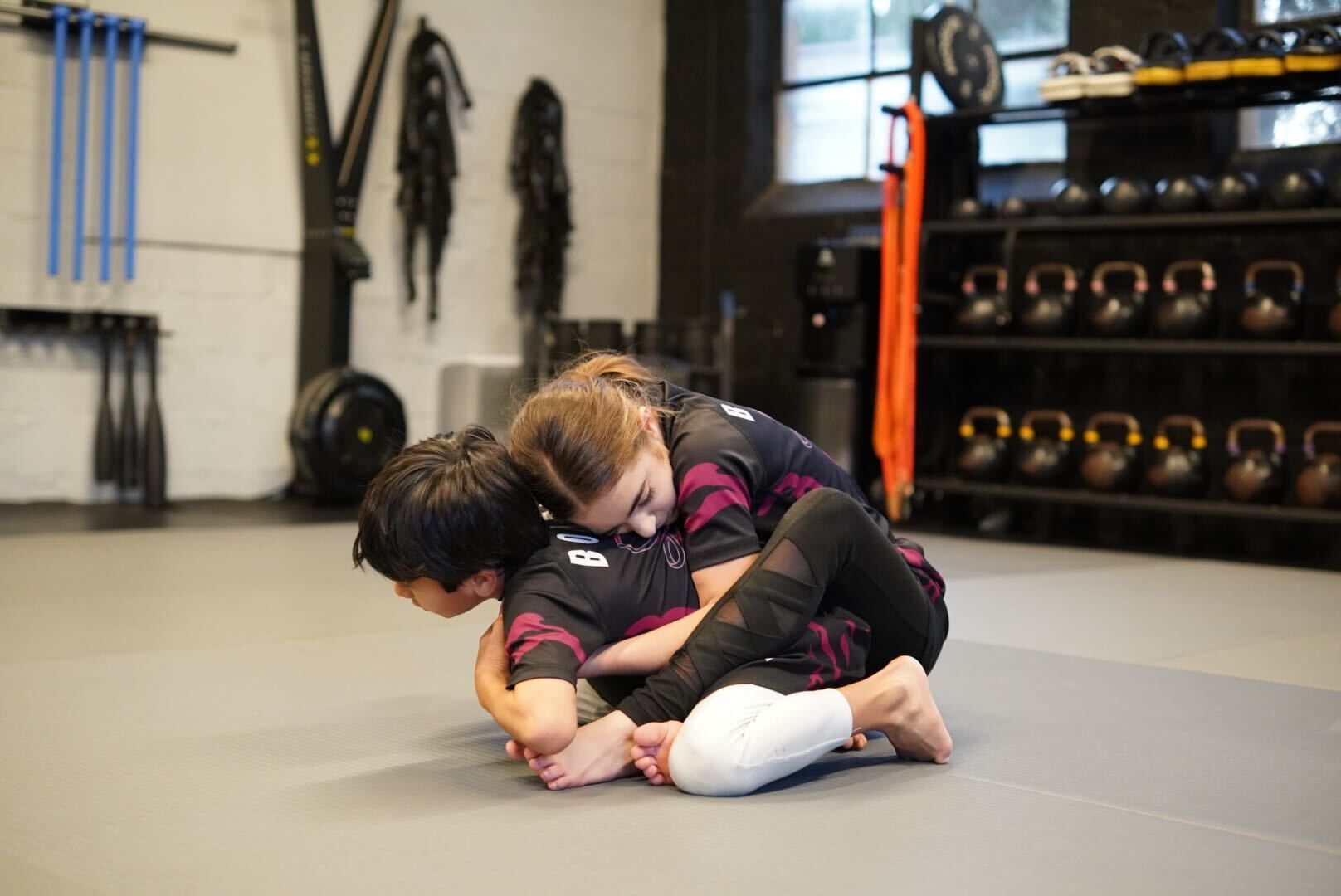
Youth Jiu-Jitsu gives kids a safe place to practice staying calm, solving problems, and bouncing back when things feel hard.
If you are looking at Youth Jiu-Jitsu, chances are you are not only thinking about fitness. You are thinking about how your child handles frustration, how easily school stress spills into home, and what happens when confidence dips in social situations. We meet those concerns every day, and we take them seriously.
In Maplewood, families want activities that are structured, positive, and worth the time it takes to get everyone out the door. Our youth program is built around calm, confidence, control, and resilience so your child can grow on the mats and bring those skills back to the classroom, the playground, and the dinner table.
Why emotional resilience matters more than “toughness”
Resilience is not about pretending feelings do not exist. It is about noticing big feelings, keeping them from taking over, and choosing the next right step anyway. For kids, that can mean recovering after an argument with a friend, managing nerves before a presentation, or not melting down when something feels unfair.
Youth Jiu-Jitsu supports this because it is a problem-solving art taught in real time. A child tries something, it works or it does not, and we coach them to adjust rather than shut down. That cycle of effort, feedback, and improvement is exactly how resilience gets built, one class at a time.
We also like that progress in jiu-jitsu is honest. Kids cannot “fake” a skill for long. But they also do not need to be perfect to win small victories, and those small wins stack up into real confidence.
How Youth Jiu-Jitsu builds calm under pressure
A big part of emotional resilience is learning what pressure feels like, then learning you can handle it. In class, pressure is controlled and age-appropriate. That is important. We do not throw kids into chaos and hope they figure it out. We guide them through it.
When a child is in a position that feels challenging, we teach simple anchors: breathe, frame, move with purpose, listen for coaching. Those are physical actions, but they create emotional steadiness. Your child learns, “I can feel uncomfortable and still think.”
Over time, kids start to recognize the moment they get tense or upset. That awareness is a huge step. Many children are not used to noticing emotions before they overflow. Youth Jiu-Jitsu gives them practice catching the feeling early, which helps at home, too.
What kids actually learn (beyond techniques)
People sometimes assume jiu-jitsu class is just grappling and getting sweaty. Yes, it is active. But the deeper curriculum is behavioral and emotional. Our coaching is designed to help kids grow into steady, respectful teammates who can handle challenge.
Here are a few skills we intentionally teach in every Youth Jiu-Jitsu class:
• Listening with a purpose, including making eye contact, waiting for directions, and repeating key details back
• Taking turns and sharing space, even when excitement is high and everyone wants to go first
• Problem-solving under pressure by trying a safe option, noticing what changes, then adjusting calmly
• Handling setbacks without spiraling, including tapping, resetting, and rejoining the drill with focus
• Respect and self-control, so confidence shows up as kindness and boundaries, not attitude
These lessons are not lectures. Kids learn them through repetitions, partner work, and how we structure class. It is one of the reasons Youth Jiu-Jitsu in Maplewood works well for families who want real character development, not just an hour of activity.
Confidence without aggression: the tone we set on the mats
Some parents worry jiu-jitsu will make a child more aggressive. We understand the concern, and our approach is the opposite. We teach control first. The goal is not to “win” at all costs. The goal is to learn, stay composed, and keep partners safe.
We focus on cooperative learning, where partners help each other improve. Even during live rounds, we emphasize appropriate intensity. Kids learn to match energy, follow rules, and pause when something feels off. That kind of self-governance is part of emotional resilience, too.
When a shy child finally speaks up to ask a question, or a high-energy child learns to slow down and breathe, that is a real win. Those moments are quiet, but you feel them.
Bullying, boundaries, and self-advocacy
Most families looking for Youth Jiu-Jitsu in Maplewood want their child to feel safer socially. We frame “anti-bullying” in a practical way: confidence, posture, awareness, and clear boundaries. Physical skills matter, but so does the ability to stay calm and communicate.
We teach kids to use their voice, set limits, and get help from trusted adults. We also teach that jiu-jitsu is not for showing off. It is for safety. That distinction helps kids hold their confidence in a grounded way.
Emotional resilience shows up here as well. A resilient child is less likely to freeze, panic, or escalate. Instead, your child learns to breathe, think, and choose a smart response.
Is Youth Jiu-Jitsu safe for beginners?
Safety is not a side note for us, it is the foundation. Beginners start with clear rules, structured movement, and lots of coaching. We pair kids thoughtfully, monitor intensity, and build skills progressively so your child is learning with confidence instead of fear.
We also teach tapping early, and we treat tapping as a success. It means your child recognized a limit and communicated it. That is a life skill. Kids learn body awareness, respect for partners, and how to reset after a challenging moment.
If your child is nervous, that is normal. The first class is new sounds, new faces, and new movement. We guide kids through those first steps with patience and a predictable structure.
A realistic look at the first month for a nervous child
The first month is often where emotional resilience starts to show up in surprising ways. Not as some dramatic transformation, but as small shifts you notice when you least expect it.
In week one, many kids are simply learning the rhythm: line up, warm up, partner drill, game, cool down. Some jump right in. Some hang back. We make room for both. The goal is to leave class feeling successful, not overwhelmed.
By week two, your child usually starts recognizing positions and routines. Familiarity lowers anxiety. Kids also begin to trust that class is consistent and that our instructors will keep things organized. That sense of safety is what allows confidence to grow.
By weeks three and four, you often see more initiative. A child raises a hand, asks for a partner, or tries again after a mistake without needing a pep talk. That is resilience. It is also why Youth Jiu-Jitsu is more than an after-school activity. It becomes practice for real life.
How often should kids train?
Most kids do well with two classes per week. That schedule creates enough repetition to build comfort and progress without turning jiu-jitsu into a pressure cooker. If your child loves it, adding a third day can work nicely, especially once the basics feel familiar.
Consistency matters more than intensity. We would rather see your child show up regularly, even if energy varies, than train hard for two weeks and disappear for a month. Emotional resilience grows through steady exposure to challenges that are just manageable enough.
You can always check the class schedule page to see which days fit your family routine best.
What your child should wear to the first class
Keep it simple. For a first class, comfortable athletic clothing is usually fine unless you have been told otherwise. Avoid anything with zippers or sharp parts, and tie long hair back. Bring water, and arrive a little early so your child can settle in.
We will help with the rest, including where to put shoes, how to line up, and what the basic rules are. Many kids relax once they realize they do not have to guess what to do.
If you are unsure about gear, the website has guidance, and you can also ask us before class. We would rather answer a quick question than have you stress about it.
Youth Jiu-Jitsu in Maplewood, NJ: what local families care about
Maplewood families tend to value community, structure, and positive coaching. You want an activity that helps your child build confidence while still being respectful and grounded. We agree. Our youth training is designed to fit real family life, not a highlight reel.
We are located at 6 West Parker Ave in Maplewood, which makes it easier to turn “we should try this” into actually showing up. If you have been searching for Youth Jiu-Jitsu in Maplewood, NJ, a nearby option matters because consistency is everything. It is hard to build resilience if you cannot get to class.
We also keep the experience beginner-friendly. You do not need an “athletic kid” to start. You just need a kid who is willing to try, and a parent who values growth over perfection.
FAQ: quick answers for parents
What age can my child start?
Many kids can start when they are ready to follow basic directions, participate safely with partners, and handle structured class time. If you are unsure, we can help you figure out the best fit.
Is Jiu-Jitsu too aggressive for shy or anxious kids?
Not the way we teach it. Youth Jiu-Jitsu can be a great match for shy kids because confidence grows through skill, routine, and small wins, not loud personalities.
Do kids need to be athletic to begin?
No. Athleticism can develop as a result of training. Coordination, balance, and endurance improve naturally when kids train consistently.
Are trial classes available in Maplewood?
Yes, we offer a free trial class, and you can find the details through the website so you know what to expect before you arrive.
Take the Next Step
If you want an activity that helps your child handle frustration better, listen more clearly under pressure, and build confidence without the attitude, Youth Jiu-Jitsu is a strong next move. We have designed our kids program around calm, confidence, control, and resilience because those traits carry over into school, friendships, and home life.
At Bodega Jiu-Jitsu, we keep the experience structured, welcoming, and practical for Maplewood families, from your first visit to the routines that help kids settle in and grow.
Build stronger fundamentals and sharpen your technique through Jiu-Jitsu training at Bodega Jiu-Jitsu.