
Real progress in grappling comes from smart structure, safe intensity, and a room that keeps you showing up.
Grappling has a funny way of revealing what most workouts hide: how you breathe under pressure, how you solve problems when you are tired, and how quickly you can learn when feedback is immediate. In our Maplewood sessions, we see people arrive for fitness, stress relief, or self-defense and then realize the bigger win is skill growth you can measure week to week.
We run training that is challenging without being reckless. That matters if you are new, getting back into training after a break, or simply trying to train hard while still feeling good enough to handle work, family, and everything else on your calendar.
If you have been curious about adult grappling classes but worried you will be thrown into the deep end, our approach is built to remove that fear. We coach you through the basics, give you a clear path forward, and help you build confidence without relying on ego or brute strength.
What Makes Grappling Different From a Typical Workout
Most fitness routines are linear. You do the reps, track the numbers, and go home. Grappling is interactive, and that changes everything. Every round is a live conversation of balance, timing, posture, and decision-making.
Because training is responsive, you develop athletic qualities that carry over into daily life. You learn how to stabilize your body, how to move efficiently, and how to stay calm when the pace spikes. That mix is why grappling tends to feel like both exercise and education at the same time.
We also like that it is scalable. You can train at a high intensity, but you can also train with control and still get a ton out of it. That flexibility helps adults stay consistent, and consistency is the real secret behind noticeable results.
The Skill Loop That Creates Fast Improvement
Progress in grappling is not random. Our sessions are designed around a loop that keeps you building.
First, we teach a technique with clear details, not just a quick demo. Then you drill it with a partner so your body learns the pattern. After that, we guide you into specific training that adds resistance in a controlled way. Finally, you pressure-test the skill in live rounds where timing and adaptability matter most.
This loop creates confidence because you are not guessing. You can feel exactly what is improving: your grips, your balance, your escapes, your ability to stay composed when someone is trying to pin you.
Our Grappling Sessions: Structure That Helps Adults Stick With It
Adults do not need chaos. You need a plan that respects your time and your body. We build our training around progressive learning, which means we do not expect you to know everything on day one. We expect you to show up, focus, and let the process work.
A typical class includes a technical segment, partner drilling, and live training. We coach throughout, not just at the beginning. That ongoing feedback is where small changes create big jumps, like adjusting hip angle on an escape or changing head position to prevent a pass.
We also keep the room supportive. You will train with people who remember what it felt like to be new. That kind of culture matters more than most people realize, especially in grappling where trust and safety are part of the deal.
What You Can Expect in a Class, Start to Finish
If you like knowing what you are walking into, here is the basic rhythm we follow:
• Warm-up that prepares your joints and movement patterns for takedowns, transitions, and groundwork
• Technique instruction focused on one theme, like guard retention, pressure passing, or escaping pins
• Partner drilling with coaching so you get repetitions without reinforcing bad habits
• Positional rounds that isolate the skill and build comfort under realistic resistance
• Live grappling rounds where you apply everything with partners matched for size, experience, and pace
That structure makes training feel productive even on days when you are low on energy. You can still learn something and leave better than you came in.
Why Our Approach Is Safer Without Being Softer
People sometimes confuse safe training with easy training. We do not. We believe safety comes from coaching, communication, and pacing, not from avoiding intensity altogether.
We emphasize tapping early, protecting training partners, and choosing the right level of resistance for the goal of the round. That is how you train for years, not just a few months. It is also how you keep the room welcoming for beginners while still giving experienced students the challenge they want.
If you are worried about injuries, we get it. Many adults have old shoulder issues, tight hips, cranky knees, or just a general sense that their bodies do not bounce back like they used to. Our job is to help you train intelligently, build resilience, and keep you moving forward.
Coaching Details That Matter More Than People Expect
Small details change the whole experience in grappling. We pay attention to things like:
• How you distribute your weight so you can apply pressure without smashing
• How you frame with your forearms to create space without straining your neck
• How you breathe during escapes so you do not gas out mid-round
• How you use angles instead of strength when finishing or defending
This is where grappling becomes a craft. You are not just working hard. You are working accurately.
Fitness Benefits You Actually Notice Outside the Gym
Grappling is full-body conditioning, but it does not feel like mindless cardio. You build pulling strength, grip endurance, hip mobility, and core stability because you need those tools to solve problems against resistance.
Live rounds also drive cardiovascular improvement. Your heart rate climbs, drops, and climbs again, which is a realistic pattern for athletic conditioning. Over time, many students notice they can handle stairs, long days, and stressful moments with a calmer baseline.
We also see the mental side show up quickly. In adult training surveys on Brazilian Jiu-Jitsu, participants reported major improvements in confidence, mood, and anxiety reduction, plus a strong sense of community connection. Those numbers track with what we see on our mats: consistent training tends to make people feel better in their bodies and steadier in their heads.
The Real-Life Value: Calm Under Pressure
Even if self-defense is not your primary goal, grappling teaches you to stay functional when someone is close, heavy, and trying to control you. That is a very specific kind of stress. Learning to relax enough to think, while still moving with purpose, becomes a skill you can bring into everyday life.
We coach you to recognize positions, solve common problems, and avoid panic responses. You learn how to protect yourself, how to create space, and how to escape bad spots. You also learn the responsibility side of it: how to control someone without unnecessary force.
That balance is part of why grappling arts Maplewood students stick with it. It is practical, but it is also a personal discipline. You keep discovering layers.
How We Support Beginners Without Holding You Back
Starting adult grappling classes can be intimidating, and we do not pretend otherwise. There are new terms, unfamiliar movements, and the close-contact nature of training. Our job is to make the learning curve feel doable.
We teach fundamentals in a way that gives you wins early. Simple escapes, basic control positions, and posture concepts can change your whole experience in the first few weeks. Then we add complexity gradually, so you are not memorizing a thousand moves without context.
We also encourage questions. If something feels confusing, it probably is, at least at first. Grappling is a language, and fluency comes from hearing it, speaking it, and making a few mistakes without getting punished for them.
A Simple Path to Your First Month of Progress
If you like having a roadmap, this is the general progression we aim for:
1. Week 1: Learn safety, basic movement, tapping, and a couple of core positions
2. Week 2: Add an escape you can rely on and a simple way to regain guard or stand up
3. Week 3: Build control concepts like frames, underhooks, and head position during transitions
4. Week 4: Start linking two techniques together so you can react instead of freezing
That first month is where many people realize grappling is not about being tough. It is about being consistent and coachable.
Training Culture: The Part You Cannot Separate From Results
You can have the best technique in the world on paper, but if the training room feels tense or unsafe, people do not stay. We take culture seriously because it directly impacts progress.
We match partners thoughtfully, especially for newer students. We encourage clean rounds, honest communication, and the kind of intensity that helps you improve instead of leaving you banged up. You will still work, but you will work with people who understand that tomorrow’s training matters too.
A good room also makes it easier to build momentum. When you know you will be welcomed, coached, and challenged appropriately, you show up more often. And in grappling, showing up is everything.
Take the Next Step
If you want training that makes you fitter, sharper, and more capable without turning your week into a recovery project, our grappling sessions are built for that. We keep the learning clear, the intensity adjustable, and the coaching constant, so you always know what you are working on and why it matters.
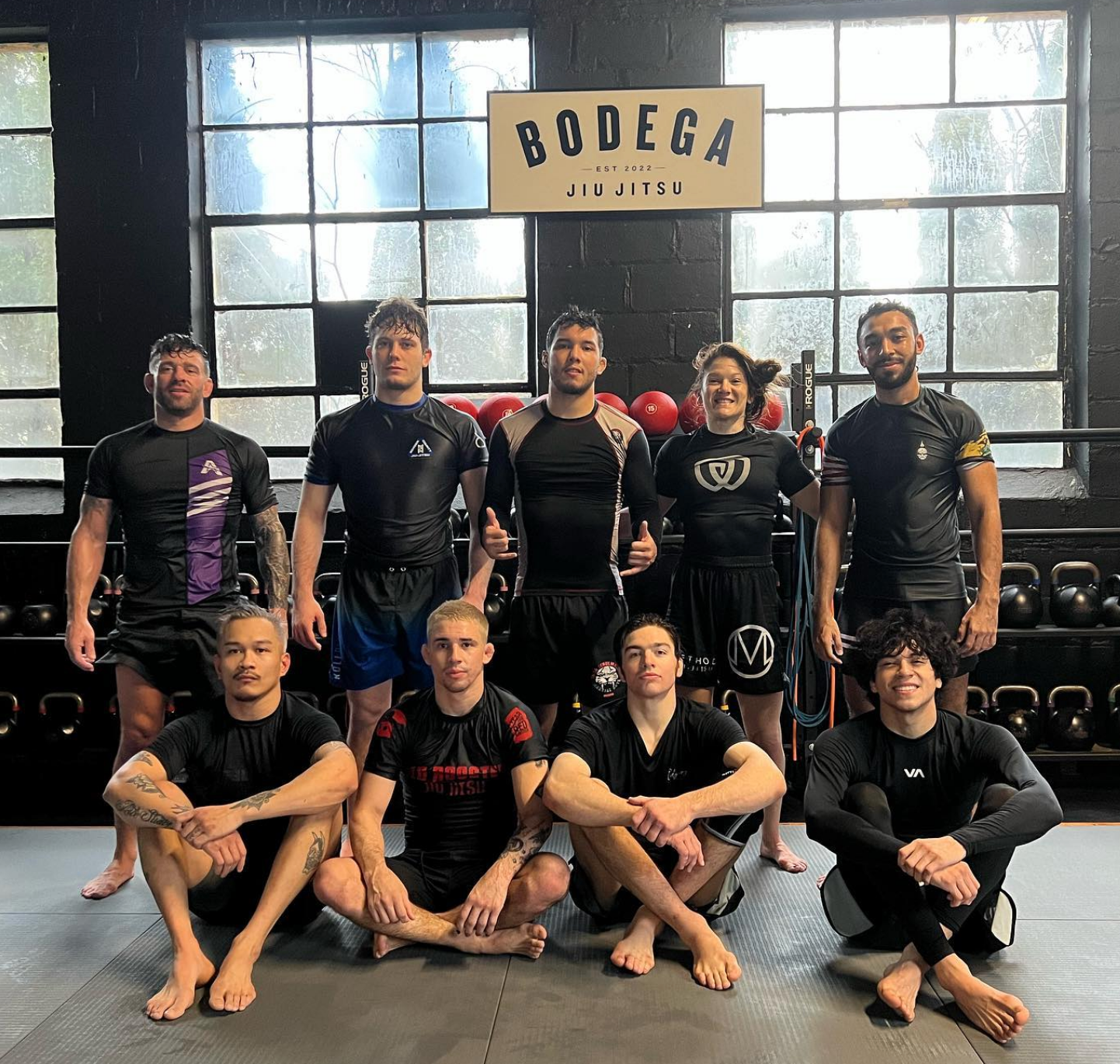
When you are ready to experience it in person, we would love to have you on the mats at Bodega Jiu-Jitsu here in Maplewood. Bring your curiosity, show up consistently, and let us help you build skills that keep paying you back.
Experience how grappling builds resilience and focus by joining a class at Bodega Jiu-Jitsu.