
A hard training session can feel like hitting a reset button for your mind, not just your body.
Stress is sneaky in adulthood. It shows up as tight shoulders during meetings, shallow breathing in traffic, or that restless loop of thoughts when you finally lie down at night. We see it every week: adults who are capable and high functioning, but still carrying a heavy mental load. Adult Grappling gives that energy a place to go and, in the process, helps you build a calmer, sturdier mind.
Adult Grappling is not “sit still and relax” stress relief. It is active stress relief. You focus on grips, posture, pressure, balance, and timing, and your brain stops bouncing between emails, responsibilities, and the thousand little worries that like to pile up. That mental break is real, and research backs up what many students feel after a few weeks of consistent training.
In studies on Brazilian Jiu-Jitsu and similar combative sports, 87.5 percent of adult participants reported reduced anxiety, and 96.9 percent experienced improved mood after training. Those are big numbers, and they match the pattern we watch unfold on the mats: you show up tense, you learn, you train, you leave lighter.
Why Adult Grappling Works When You Feel Mentally Maxed Out
A lot of wellness advice is passive. Breathe, rest, unplug. Those can help, but they are not always enough when your mind is loud. Grappling is different because it demands your attention. When someone is trying to control you, you cannot multitask.
There is also something grounding about learning to solve physical problems with calm. You get put in uncomfortable positions, you practice staying composed, you work step by step, and you realize you can handle more than you thought. That carries over. The stressor might change from “someone has side control” to “a tough conversation at work,” but the skill is similar: pause, frame, breathe, escape, reset.
A 2020 study in Frontiers in Psychology found martial arts training significantly reduced symptoms of anxiety and depression and was linked with higher self esteem and lower psychological distress. Grappling arts are especially effective because you are engaging both body and mind, often in a way that naturally builds mindfulness and emotional resilience.
The Mental Health Data Behind Training
We like motivation, but we also like evidence. Adult Grappling has a growing research base showing measurable mental health benefits, not just “feels good” anecdotes.
Studies on BJJ practitioners and combative sports participants have reported:
- 87.5 percent of adult participants reported reduced anxiety after Brazilian Jiu-Jitsu training
- 96.9 percent experienced improved mood
- 87.6 percent reported improved confidence
- 81.3 percent reported enhanced mental flexibility
- 71.9 percent reported strengthened commitment
- 100 percent reported a sense of community
Another consistent finding is that experience matters. More experienced practitioners tend to show higher mental strength, resilience, self efficacy, and self control compared to beginners. In plain terms, the longer you train, the more your “stress muscles” develop, not just your physical ones.
Neurochemistry: What’s Happening in Your Brain During Grappling
Stress relief is not only psychological. It is chemical.
Grappling training can reduce cortisol, the hormone associated with stress response. At the same time, training can increase dopamine, which supports motivation and reward. That mix matters for adults who feel stuck in a work eat sleep repeat routine. You do something challenging, you get immediate feedback, you improve, and your brain starts associating effort with progress again.
And it is not only the “after class high.” During training, your brain is constantly updating predictions: “If I move my hips here, I escape.” “If I relax my shoulders, I last longer.” That moment to moment learning can be deeply regulating. You are giving your nervous system a structured challenge, then teaching it to downshift.
Mindfulness Without Sitting Still
When people hear “mindfulness,” they sometimes picture silence and incense. That is not everyone’s thing, especially if your mind is busy. Adult Grappling offers mindfulness through necessity.
You cannot drift off mentally in live training. You have to notice pressure, balance, grips, and movement. You have to manage your breathing because holding your breath makes everything harder. Over time, that becomes a skill you can use off the mats. You recognize tension earlier. You return to the present faster.
A 2019 paper in the Journal of Psychiatric Research highlighted why combative sports can be effective for mental health: they require embodied attention and promote stress relief, emotional resilience, and a kind of active mindfulness. You are not escaping your body. You are learning to live in it.
Confidence and Agency: The “I Can Handle This” Effect
Depression and chronic stress often come with a sense of helplessness. Life feels like it is happening at you. Grappling flips that script in a very practical way.
You learn positions. You learn escapes. You learn that small details matter. And you learn that you can improve with consistent practice, even if you start out feeling awkward. That process builds agency, the belief that your actions can change outcomes. Agency is not a motivational poster. It is a mental health protective factor.
The confidence gains reported in research, including that 87.6 percent confidence improvement statistic, make sense when you think about what training demands. You are learning to stay calm under pressure with another human being right in front of you. That is a different kind of confidence than lifting a weight or running on a treadmill. It is interactive, unpredictable, and real.
Community Is Not a Bonus, It’s Part of the Medicine
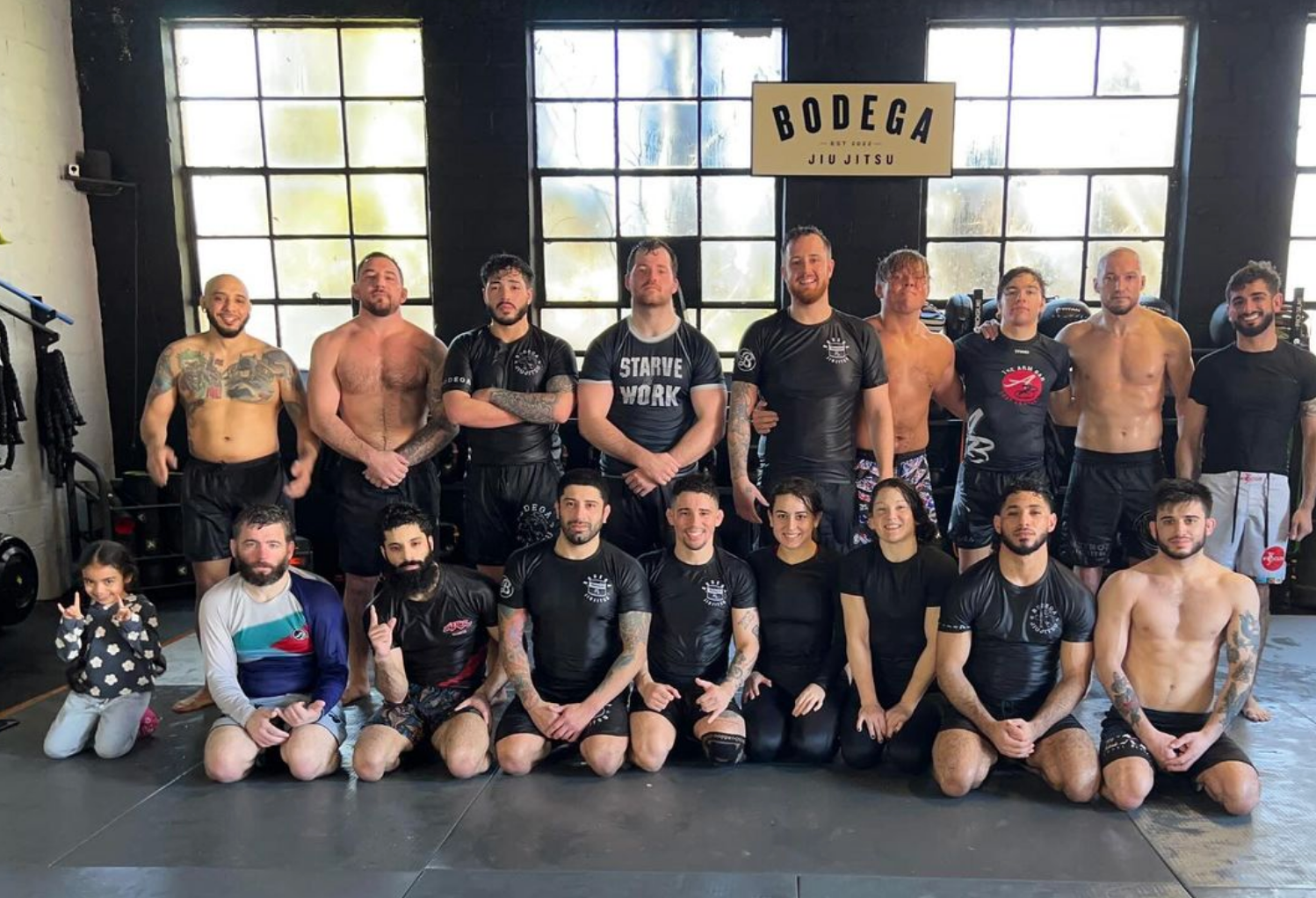
Adult life can get isolating. Even if you have coworkers, family, and obligations, it can still feel like you are carrying everything alone. Grappling gyms create a structured social environment where you see the same people regularly, work together, and improve together. That consistency matters.
One study reported that 100 percent of participants experienced a sense of community through training. We are not surprised. Training partners become familiar faces fast. You learn each other’s pace. You check in. You laugh when something finally clicks. You look out for newer students. It is a community built around shared effort, which tends to feel more solid than small talk.
If you are specifically looking for adult grappling in Maplewood, the social side can be one of the biggest hidden benefits. You are not just joining a class. You are stepping into a room where people are working on themselves, and you get to do the same.
How Our Adult Classes Reduce Stress Without Beating You Up
A common worry is that grappling will be intense, intimidating, or unsafe. We take that seriously. Stress relief does not work if you leave feeling wrecked or anxious about getting injured.
Our approach is progressive. We teach technique first, then add resistance gradually. We coach you on how to train with control, how to tap early, and how to choose the right pace for your goals. Yes, you will be challenged, but the goal is sustainable training that fits your life.
Here is what you can expect in our Adult Grappling environment:
- Clear instruction that prioritizes fundamentals you can actually use
- Structured drilling so your body learns patterns without chaos
- Options for intensity so you can train hard without feeling pressured
- Coaching on breathing and pacing so you build endurance and calm together
- A training culture where respect and safety are not negotiable
This is also why grappling arts Maplewood students often stick with training longer than they expect. It becomes part of their weekly rhythm, like a mental tune up that also happens to make you stronger.
A Simple Path to Getting Started, Even If You’re Nervous
Starting something new as an adult can feel weird. You might worry about being out of shape, not knowing what to do, or being the only beginner in the room. We plan for that. Beginners are normal here, and everyone you see who looks smooth had a first day too.
If you are curious but hesitant, use this simple progression:
1. Check the class schedule and pick a day that is realistically easy to attend
2. Show up a bit early so we can help you get oriented without rushing
3. Focus on learning one or two concepts, not “winning” anything
4. Train at a pace where you can breathe and think, especially at the start
5. Repeat for a few weeks and notice how your mood and stress respond
Consistency is where the mental health benefits compound. One class can feel good. A month of training can start changing how you handle stress. Over time, Adult Grappling becomes less about surviving class and more about using class to build the kind of mind you want to live with.
Support for Anxiety, Depression, and Trauma Related Stress
We are not a substitute for professional mental health care, and we respect the role therapy and medical support can play. But it is worth knowing that research has also looked at grappling training in clinical and higher need contexts.
A 2019 study found clinically meaningful improvements in post traumatic stress markers, along with reductions in anxiety, depression, and alcohol intake among BJJ practitioners. A systematic review in 2021 proposed Brazilian Jiu-Jitsu as an appropriate public health intervention, pointing to its social climate, resilience development, and potential to mitigate aggression.
What we take from that is simple: grappling can be a powerful complement to a healthier life. If your stress feels heavy, training gives you structure, physical release, social connection, and a way to practice calm under pressure, all in one place.
Building a Weekly Routine That Actually Lowers Stress
Most adults do not need more tasks. You need a routine that gives energy back. Adult Grappling can fit into a week in a way that feels practical because each session covers multiple needs at once: movement, focus, community, and skill building.
A few tips we share with new students:
- Start with a frequency you can maintain, not the maximum you can survive
- Treat training like an appointment with yourself, not an optional extra
- Track small wins like better breathing, better sleep, or less irritability
- Ask questions, because clarity reduces anxiety on and off the mats
- Let the process be gradual, because gradual is what sticks
If you want adult grappling in Maplewood that supports your mental health, the best plan is the one you will follow. We would rather see you train consistently at a sustainable pace than burn out trying to do everything at once.
Ready to Train for a Calmer Mind
If you have been looking for a way to lower stress that feels active, grounded, and genuinely skill based, our mats are a strong place to start. At Bodega Jiu-Jitsu, we use Adult Grappling to help you build composure under pressure, confidence in your body, and a routine that supports mental health week after week.
Whether your goal is to manage anxiety, shake off work stress, or just feel more present in your own life, we will meet you where you are and guide you forward with clear coaching and a supportive room.
Ready to experience the physical and mental benefits of Brazilian Jiu-Jitsu training at Bodega Jiu-Jitsu in Maplewood, NJ? Sign up for your free trial class today. Bodega Jiu Jitsu