
The fastest way to feel stronger in daily life is to train strength, balance, and attention all at once.
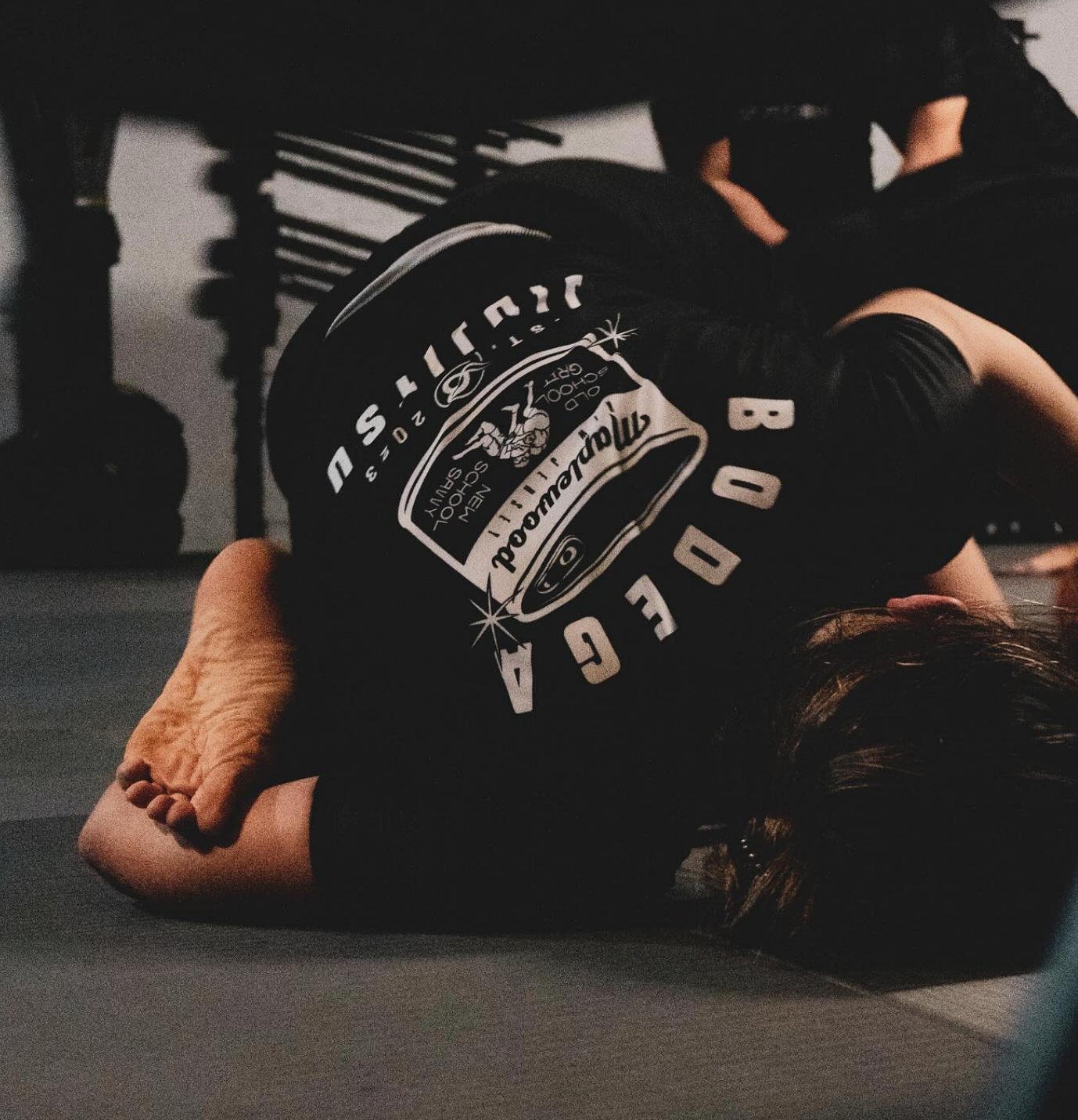
Jiu-Jitsu looks like a sport, but for most people in Maplewood, it quickly becomes something more practical: a way to build the kind of strength you can actually use on a random Tuesday. Not “gym strong,” but carry-the-groceries, lift-your-kid, sit-tall-at-your-desk strong. And just as important, it trains your attention. You can’t drift through a round the way you might drift through a treadmill session.
In our classes, we keep the learning process clear and beginner-friendly, especially in No-Gi training where grips change and movement matters. We train with structure, we repeat key patterns, and we build skills in a way that makes sense for real bodies with real schedules.
If you’re looking for Grappling Arts Maplewood can be proud of, our focus is simple: help you move better, think calmer under pressure, and leave class feeling like you did something meaningful with your time.
Why Jiu-Jitsu Feels Like “Real Strength” (Not Just Exercise)
Strength in everyday life isn’t only about how much you can lift once. It’s control, posture, balance, and the ability to create space when you need it. Jiu-Jitsu builds that kind of strength because you’re constantly managing your base, your frames, and your breathing while another person gives you honest resistance.
You’ll notice it first in small ways. Your hips start to feel more coordinated. Your core wakes up during movements like bridging and shrimping. Your shoulders learn to support your body without tensing up like you’re bracing for a fender bender.
And because we train progressively, you don’t have to “get in shape first.” You get in shape by training. That’s the point.
The specific muscles are less important than the pattern
Yes, you’ll get stronger in your legs, back, and core. But what matters most is how those pieces start working together. Grappling teaches you to connect your hands, hips, and feet into one system. That’s why it transfers so well to daily life: it’s not isolated. It’s integrated.
Mindful Focus: The Part Most People Don’t Expect
A lot of people come in for fitness and stay for the mental reset. Jiu-Jitsu forces your brain into the present moment. You have a partner, a goal, a problem to solve, and very little room for mental noise.
When you’re learning to pass guard or defend a hold, you have to pay attention to details:
- Where your weight is
- What your opponent’s hips are doing
- Whether your posture is stable
- When to relax and when to act
That mental “single-tasking” is rare in normal life. It’s also teachable. Over time, you start recognizing stress signals earlier: shallow breathing, rushing, freezing, overreacting. Then you learn to respond better. That’s mindful focus, just in a more hands-on format.
Calm under pressure is a trainable skill
We treat composure like a skill set, not a personality trait. You practice it the same way you practice technique: with repetition, feedback, and manageable intensity. Some days you’ll feel sharp. Other days you’ll feel clumsy. Both are normal. Both are useful.
How Our No-Gi Training Builds Athleticism Without Beating You Up
No-Gi Jiu-Jitsu has a different feel from traditional uniform-based training. Without cloth grips, timing and body positioning become even more important. You learn to control inside space, use underhooks and head position, and move your feet like your base matters (because it does).
We keep training grounded in fundamentals. That means:
- Safe warm-ups that prepare your joints and nervous system
- Technical instruction you can actually remember
- Drilling that builds confidence before sparring
- Live rounds that match your experience level
We’re serious about training, but we’re not careless about it. You should leave class tired in a good way, not wrecked.
Everyday Strength Gains You’ll Actually Notice Outside the Gym
People often ask what changes first. The honest answer: your movement quality. You start standing up from chairs without thinking about it. Your posture improves because your core is doing its job. Your balance gets less wobbly. And your stamina becomes more steady, not just “burst cardio.”
Here are a few day-to-day strength benefits students commonly report as training becomes consistent:
• Better core stability for lifting, carrying, and long workdays at a desk
• Stronger hips and legs from bridging, squatting, and maintaining base under pressure
• More resilient shoulders and upper back from framing, posting, and controlled pushing and pulling
• Improved grip and forearm endurance even in No-Gi, because control still requires connection
• Greater cardiovascular capacity from short, intense rounds paired with recovery breathing
None of this is magic. It’s just what happens when you train your body to solve physical problems repeatedly, with purpose.
Mindful Focus in Motion: What You Learn About Attention
Jiu-Jitsu doesn’t ask you to “clear your mind.” It gives your mind something specific to do. That’s why it works for people who’ve tried meditation apps and couldn’t get into it. You learn focus by focusing, not by trying to feel focused.
In class, we coach you to narrow your attention to a few reliable cues: posture, frames, hip position, and breath. That way you’re not trying to remember twenty steps at once. The result is a calmer decision-making process, especially in situations that would normally spike your stress.
You start noticing your own habits
This part sneaks up on you. Some people rush and burn energy. Some freeze and wait too long. Some muscle everything and get tired fast. On the mat, those habits show up clearly. Then you get a chance to adjust them, little by little, with guidance.
That’s one reason Jiu-Jitsu tends to feel “therapeutic” without being therapy. It’s feedback you can use immediately.
What to Expect in Adult Grappling Classes
Adult Grappling classes work best when they’re structured, welcoming, and consistent. We keep our coaching clear and our training sessions purposeful. You’ll learn technique, practice it with a partner, and then pressure-test it at an intensity that makes sense for where you are.
Most classes include:
1. A warm-up that builds mobility, balance, and coordination
2. Technique instruction with a specific theme for the day
3. Partner drilling to lock in the movement
4. Positional sparring or live rounds, scaled to your comfort level
5. A quick cool-down where breathing and recovery matter
If you’re brand new, we help you with the basics you need to feel safe and capable: how to fall, how to tap, how to maintain posture, and how to move on the ground without panicking. Those details are small, but they’re everything.
Building a Routine: The “Two Days a Week” Sweet Spot
You don’t need to train every day to get results. Consistency beats intensity. For many adults, two classes per week is the sweet spot for strength gains and skill development. It gives your body time to adapt and your mind time to absorb what you learned.
If you train more often, progress can speed up, but only if recovery stays solid. Sleep, hydration, and stress levels matter. We’ll help you make training fit your life, not take it over.
A realistic mindset makes training sustainable
Some weeks you’ll feel like you leveled up. Other weeks you’ll feel like everyone got better except you. That’s normal, too. Skill sports aren’t linear. The best approach is simple: show up, learn one thing, repeat it, and trust the process.
Strength Plus Focus: Why Grappling Transfers to Work and Life
Here’s the practical payoff: Jiu-Jitsu trains you to stay composed while solving problems. That shows up in meetings, deadlines, parenting, and any moment where pressure tries to steal your attention.
You get used to asking better questions:
- What is actually happening right now?
- Where is the leverage?
- What is the simplest next step?
- Do I need to push, or do I need to reposition?
That kind of thinking is a quiet superpower. It’s also deeply physical. Your body learns it alongside your mind, which makes it easier to access when you need it.
Take the Next Step
If you want training that improves how you move and how you focus, we’ve built our approach to make Jiu-Jitsu accessible, challenging, and genuinely useful. At Bodega Jiu Jitsu, we keep the environment beginner-friendly while still giving you real grappling experience that builds everyday strength over time.
When you’re ready, we’ll help you start with a pace that feels doable, guide you through the fundamentals, and make sure your training in Maplewood stays consistent and sustainable at Bodega Jiu Jitsu.
Improve your strength, endurance, and confidence through grappling training at Bodega Jiu Jitsu.