
Grappling-based martial arts continue to grow in popularity throughout the United States as more people recognize the physical, mental, and strategic benefits they provide
Many adults are looking for effective ways to build strength, reduce stress, and gain real self-defense skills. Parents are seeking structured activities that promote confidence, discipline, and respect. And athletes interested in competition want training that sharpens their technique and mindset. For those exploring martial arts in Maplewood NJ, Brazilian Jiu-Jitsu offers a balanced, highly technical, and supportive path to growth.
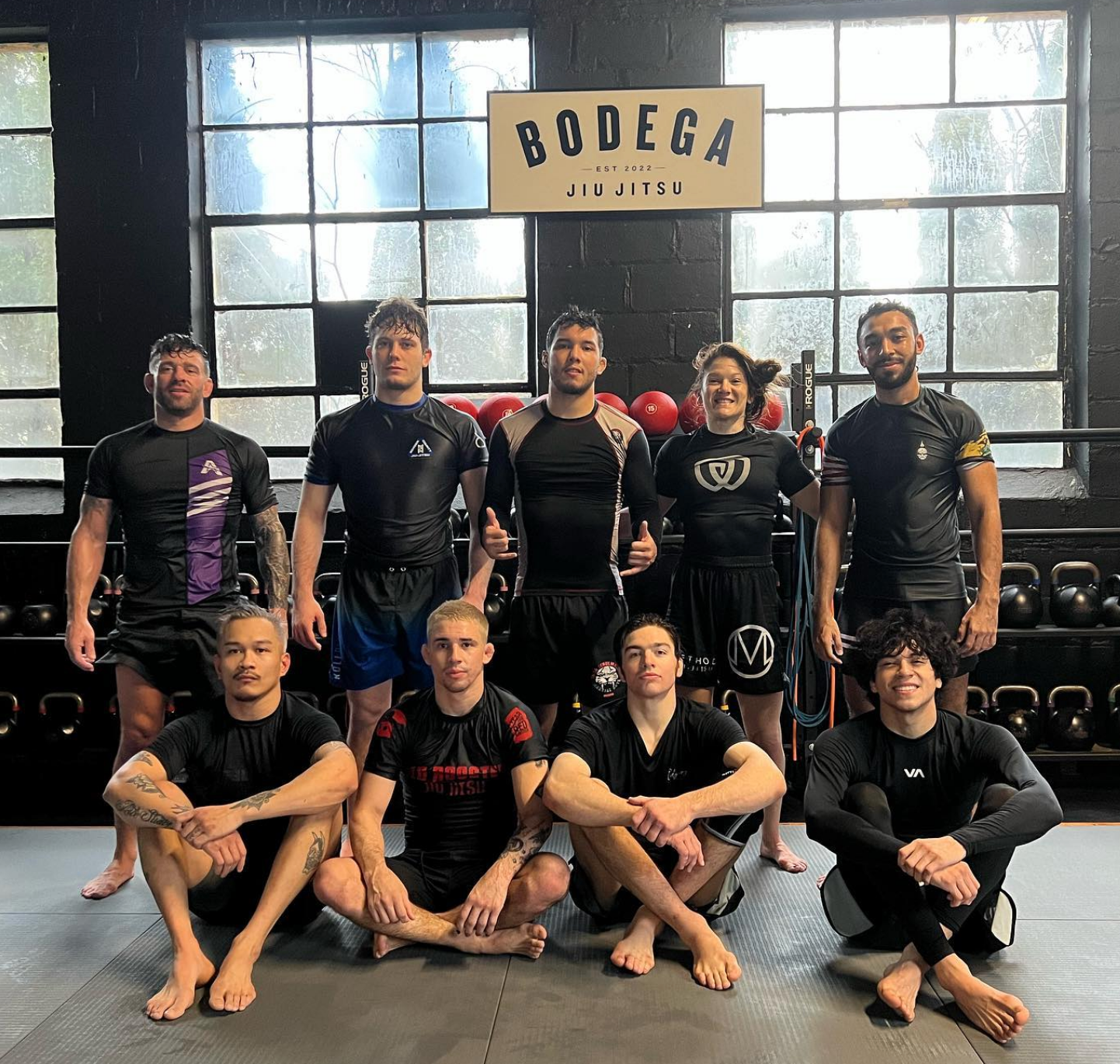
Bodega Jiu-Jitsu, located right here in Maplewood NJ, provides both beginners and experienced students with a reliable, professional, and welcoming environment to learn and train. Whether your goal is to get in shape, challenge yourself, or prepare for competition, the academy offers adult grappling classes and youth programs designed to meet students where they are and help them progress safely and confidently.
This article explores what makes grappling effective, how strategy influences competition success, and why training at a structured and community-focused academy like Bodega Jiu-Jitsu can make all the difference.
The Growing Popularity of Grappling and Brazilian Jiu-Jitsu
Brazilian Jiu-Jitsu has seen steady growth in the United States over the past decade. According to data from the Sports & Fitness Industry Association, participation in martial arts rose several percent year over year as more adults sought alternative fitness and more families enrolled children to help them build confidence and stay active. Unlike striking-based martial arts, grappling focuses on leverage and body mechanics, making it accessible to individuals of many different ages and body types.
People choose BJJ for different reasons, but common benefits include:
- Practical self-defense skills
- Increased physical fitness and mobility
- Stress relief and mental clarity
- A strong sense of community and belonging
- Goal-setting and personal development
For those in Brazilian Jiu-Jitsu Maplewood NJ programs, these benefits are amplified by having access to consistent coaching, structured curriculum, and a supportive training atmosphere.
The Foundations of Successful Grappling Strategy
Every grappling style has strengths, and competition success often depends on the ability to apply the right strategy at the right time. In Brazilian Jiu-Jitsu, grappling strategy can be broken down into several core components:
1. Positional Control
Winning grappling exchanges begins with understanding positional hierarchy. Strong control positions, such as mount, back control, and side control, allow a competitor to maintain dominance and look for submissions while limiting the opponent’s movement.
Key focus areas include:
- Maintaining balance and weight distribution
- Managing grips and hand placement
- Preventing escapes through anticipation
2. Transitions
Matches are frequently won or lost during transitions. Smooth movement between positions gives the grappler a tactical advantage. Practicing transitions in drills and live training helps develop fluidity and timing.
3. Takedowns and Stand-Up Engagement
Although many BJJ matches take place on the ground, the match always begins standing. Competitors benefit from practicing judo-style throws, wrestling takedowns, and grip-fighting strategies.
4. Submission Awareness
Submissions require technical precision and often patience. Understanding when to tighten pressure, when to adjust, and when to conserve energy separates experienced grapplers from beginners.
Physical Benefits of Adult Grappling Classes
Many new students join Bodega Jiu-Jitsu simply looking to improve their fitness. Grappling provides a full-body workout that builds strength, improves cardiovascular health, and enhances body awareness. Unlike typical gym routines, grappling movements are dynamic and functional, translating well to real-life physical tasks.
Benefits include:
- Increased muscle tone and endurance
- Enhanced joint mobility and flexibility
- Improved posture and movement coordination
- Significant calorie burn relative to time spent training
Studies have shown that grappling-based training can improve heart health, muscular stability, and metabolism due to the combination of aerobic and anaerobic exercise.
Mental Benefits: Focus, Discipline, and Resilience
Beyond physical conditioning, Brazilian Jiu-Jitsu helps build mental strength. Training regularly requires discipline, patience, and a willingness to learn from mistakes. Progress often comes in steady steps rather than sudden leaps, helping students develop a growth mindset.
Key mental benefits include:
- Increased focus and concentration
- Better stress management and emotional control
- Confidence that comes from real skill development
- Persistence and the ability to handle adversity
Adults often report leaving class feeling clearer, calmer, and more centered compared to when they walked in. For children, the lessons in discipline and respect translate well into school and social environments.
Social and Community Benefits
One of the most meaningful aspects of training at a physical academy is the community. At Bodega Jiu-Jitsu, students train together, push each other, and support one another’s success. This shared effort fosters friendships and a positive sense of belonging.
For families in Maplewood NJ, South Orange, Millburn, Union, Newark, and surrounding neighborhoods, the academy provides a safe and structured environment where adults and children can grow at their own pace.
Common Questions and Concerns
1. How often should I train to see progress in grappling?
Most students begin with two to three classes per week. Consistency is more important than intensity. Regular attendance helps build muscle memory, conditioning, and familiarity with key techniques.
2. What should I wear to my first Brazilian Jiu-Jitsu class?
For your first class, comfortable athletic clothing is acceptable if you do not yet own a uniform. Once enrolled, most students purchase a Gi (uniform) that fits academy standards. The academy can provide guidance on proper sizing and where to buy.
3. Do I have to compete if I train at Bodega Jiu-Jitsu?
No. Competition is optional. Many students train purely for fitness, stress relief, or personal growth. Those who do choose to compete receive structured guidance and support.
4. Is Brazilian Jiu-Jitsu good for self-defense outside of competition?
Yes. BJJ emphasizes leverage, control, and escaping from disadvantageous positions, which are valuable real-life self-defense skills. Students learn how to stay calm and respond effectively under pressure.
5. How long does it take to earn a belt in Brazilian Jiu-Jitsu?
Belt progression varies based on consistent training, technique development, and instructor assessment. There is no fixed timeline. Progress is focused on skill mastery rather than rushing through ranks.
6. Can Brazilian Jiu-Jitsu help improve overall athletic performance?
Yes. The strength, coordination, flexibility, and endurance developed through grappling support other sports and physical activities. Many athletes use BJJ training to increase performance capacity and injury resilience.
Local Impact: Why Brazilian Jiu-Jitsu Matters in Maplewood NJ
Communities thrive when individuals feel strong, confident, and supported. BJJ contributes to personal wellness, community connection, and positive physical habits. Many parents choose martial arts in Maplewood NJ as a productive and healthy alternative to screen time and unstructured activities.
Likewise, adults who train often find renewed motivation, reduced stress, and meaningful friendships.
Top Grappling Strategies for Competition Success
For students with interest in competition, the following strategies can significantly influence performance:
1. Develop a Reliable Game Plan
Competitors benefit from having a clear strategy based on their strengths. Whether you prefer takedowns, guard play, or pressure passing, knowing your identity as a grappler helps minimize uncertainty in competition.
2. Prioritize Grip Fighting
Control often begins with the hands. Learning how to break grips and establish dominant grips determines who controls the tempo of the match.
3. Stay Calm in Tough Positions
Matches rarely go exactly as planned. Remaining calm under pressure allows you to think clearly, conserve energy, and find opportunities to escape or counter.
4. Train With Competition-Specific Intensity
While not every training session should be maximal effort, competitors should practice rounds that mimic competition timing, pacing, and pressure.
5. Study High-Level Matches
Watching experienced grapplers helps sharpen tactical awareness and improve decision-making.
Whether you are brand new to martial arts or looking to refine your grappling strategies for competition, the right environment makes all the difference. Bodega Jiu-Jitsu provides professional instruction, structured curriculum, and a welcoming community dedicated to helping students grow in skill and confidence.
If you are ready to experience the benefits of Brazilian Jiu-Jitsu Maplewood NJ, the next step is simple:
Schedule a free trial class at Bodega Jiu-Jitsu and start your training journey today.
Visit the academy website to get started.