
Sparring, often called rolling in Brazilian Jiu-Jitsu, can feel intimidating for many beginners
Whether you are a new student, a parent considering classes for your child, or someone returning to training after time away, the idea of engaging in live grappling can bring up very real nerves. These feelings are completely normal. In fact, fear of sparring is one of the most common emotional hurdles in martial arts.
Brazilian Jiu-Jitsu continues to grow in popularity because it provides practical self-defense skills, improves fitness, and builds mental resilience. For those seeking Brazilian Jiu-Jitsu Maplewood NJ training, Bodega Jiu-Jitsu has become a trusted academy for both beginners and experienced practitioners. One of the core elements of progress in Jiu-Jitsu is learning to spar safely, confidently, and with the right mindset.
This article explains why sparring feels intimidating, how to overcome fear step-by-step, and how supportive, structured training environments like Bodega Jiu-Jitsu help students build confidence on the mats.
The Role of Sparring in Brazilian Jiu-Jitsu
Sparring is where technique becomes functional. While drills teach movements and positional control, live rolling teaches:
- Timing and reaction
- Body awareness
- Pressure management
- Situational problem solving
Sparring allows students to learn how techniques actually work on resisting partners. It is not about fighting for dominance. It is about developing awareness, adaptability, and calm under pressure. This is why sparring is included in nearly all programs for Jiu-Jitsu in Maplewood.
Yet the idea of close contact, competitive pressure, and physical unpredictability can trigger fear. This fear is understandable and can be overcome with proper guidance.
Why Fear of Sparring is Normal
Several emotional and physical factors contribute to sparring anxiety:
- Fear of the unknown
New students simply do not know what to expect. - Fear of getting hurt
Sparring looks intense, and new practitioners worry about injury. - Fear of failing or looking inexperienced
Beginners often assume others in class are judging their skill. - Fear of physical closeness
Grappling can feel uncomfortable at first because it involves controlled contact.
These responses are natural. The key is recognizing that fear is a starting point, not a stopping point.
The Benefits of Learning to Spar
While sparring may feel intimidating initially, it is one of the most rewarding aspects of martial arts in Maplewood NJ. Progress happens not only in strength and skill, but in mindset.
Physical Benefits
- Improved cardiovascular health
- Stronger muscles and joints
- Enhanced flexibility and mobility
- Better coordination and posture
Mental Benefits
- Increased confidence
- Improved emotional regulation
- Mental resilience under pressure
- Problem-solving skill development
Social and Community Benefits
- Encouragement from teammates
- Learning how to trust training partners
- Being part of a supportive, goal-focused community
In a well-structured training environment, sparring is not about domination. It is about growth.
Common Questions and Concerns
1. How long does it usually take before I feel comfortable sparring?
Comfort varies by individual, but most students begin to feel more confident after a few weeks of consistent training and gradual exposure to controlled rolling. The key is attending regularly and communicating with your instructor.
2. What should I focus on during my first sparring sessions?
Beginners should prioritize breathing, maintaining good posture, and applying one or two fundamental movements they have recently learned. Sparring is about learning, not winning.
3. Can I choose not to spar until I feel ready?
Yes. At reputable schools, sparring is introduced gradually and at the student’s own pace. Communication with instructors ensures that your training experience progresses comfortably and safely.
4. What if my sparring partner is much more experienced than I am?
More experienced partners are usually trained to roll in a controlled and measured way. They can help guide pace, provide feedback, and create a positive learning experience for newer students.
5. Does sparring increase my risk of injury?
When practiced with proper technique and under supervision, sparring in Brazilian Jiu-Jitsu has relatively low injury rates compared to many common sports. Controlled pacing and awareness help promote safety.
6. How can parents support children who are nervous about sparring?
Parents can encourage consistency, celebrate small improvements, and remind children that learning happens step-by-step. Trust-building between the student and instructors also plays an important role in helping kids feel secure and confident.
How to Overcome Fear of Sparring Step-by-Step
1. Communicate With Your Instructor
Let your instructor know you feel nervous. Good schools encourage open dialogue. Instructors can pair you with calm, responsible teammates and introduce sparring slowly.
2. Start with Positional Sparring
Positional rounds offer structure. You begin in a specific position with a clear goal, such as escaping or maintaining control. This reduces unpredictability and builds confidence.
3. Focus on One Objective at a Time
Instead of thinking about winning, try focusing on small goals:
- Maintain posture
- Keep elbows close
- Breathe steadily
- Attempt one technique you drilled that day
Progress comes through repetition.
4. Use Controlled Pace
Sparring does not need to be fast or forceful. Slower rolling promotes learning, safety, and awareness. Many experienced practitioners train primarily at moderate intensity.
5. Accept That Tapping is Learning
Tapping is not losing. Tapping means recognizing a moment to reset and try again. It reflects awareness and humility, both of which are central to Brazilian Jiu-Jitsu.
6. Train Consistently
Confidence develops through repetition. With regular attendance, sparring becomes more comfortable.
The Importance of Training Environment
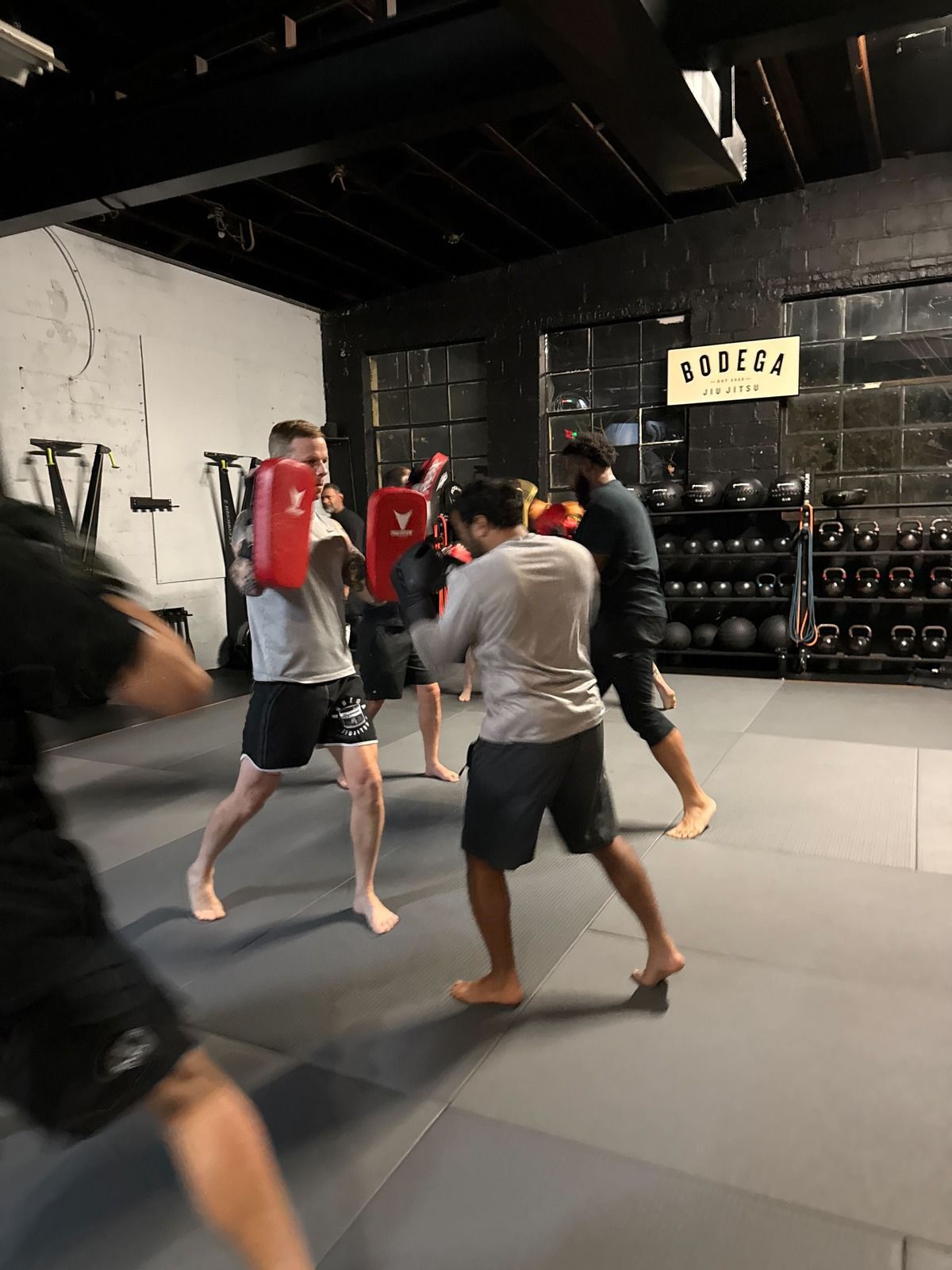
The academy environment makes a significant difference. Supportive culture encourages growth. At Bodega Jiu-Jitsu, the training approach emphasizes safety, mutual respect, and technical development. Students are encouraged to spar at their own pace. The focus is on learning, not competition or ego.
This kind of environment reduces anxiety while promoting progress.
Physical and Mental Conditioning for Sparring Confidence
Alongside technique, physical conditioning helps students feel more prepared. Strength and mobility training improves posture, stability, and injury prevention. Breathing exercises and relaxation practices help regulate stress responses during sparring.
Mental conditioning includes realistic expectations:
- It is normal to feel overwhelmed in early sparring.
- Progress is non-linear and personal.
- Confidence grows gradually through experience.
With time, situations that once felt stressful begin to feel manageable.
Data and Insights on Participation and Benefits
A study published by the Sports Medicine Research Institute found that Jiu-Jitsu participants reported increased confidence, fitness, and stress reduction. Participation in martial arts has been shown to support mental well-being and emotional balance. Many people choose martial arts to relieve stress in daily life.
Brazilian Jiu-Jitsu provides both physical exercise and mindful engagement. Students must stay mentally present and responsive. This helps reduce anxiety and improve emotional regulation.
The Community Impact of Brazilian Jiu-Jitsu in Maplewood NJ
Local martial arts schools often become positive community spaces. Families, students, and professionals connect through shared goals. Training builds friendships across backgrounds, ages, and experience levels.
For the Maplewood community, Brazilian Jiu-Jitsu offers:
- A positive recreational activity for youth
- A structured environment for personal development
- Opportunities to build self-confidence and focus
Residents who practice Jiu-Jitsu in Maplewood often report improvements in day-to-day stress management and overall wellness.
Why Train at Bodega Jiu-Jitsu in Maplewood NJ
Bodega Jiu-Jitsu provides structured, beginner-friendly instruction focused on safe, technical learning. Students are supported as they build foundational skills and confidence. The academy offers classes for adults and youth, making it an accessible option for families and individuals seeking martial arts in Maplewood NJ.
Benefits of training at Bodega Jiu-Jitsu:
- Experienced, knowledgeable instructors
- Supportive community culture
- Safe, progressive introduction to sparring
- Programs for all skill levels, ages, and goals
Your comfort and progress matter. Sparring is introduced thoughtfully, with guidance every step of the way.
Fear of sparring is normal. It does not mean you are weak, unprepared, or unfit for martial arts. It simply means you are learning something new. With the right guidance, supportive training partners, and consistent practice, you can overcome that fear and build confidence that carries into every part of life.
If you are ready to explore Brazilian Jiu-Jitsu Maplewood NJ training in a positive and welcoming environment, Bodega Jiu-Jitsu is here to support your journey.
Train with a team that prioritizes safety, progress, and community support.
Start your journey with Jiu-Jitsu in Maplewood at Bodega Jiu-Jitsu.
Schedule your free trial class today:
https://www.bodegabjj.com/