
Adult Jiu-Jitsu turns “I should get back in shape” into a weekly practice you actually look forward to.
Adult Jiu-Jitsu is booming for a reason: it works on real people with real schedules. The global Brazilian Jiu-Jitsu market sits around 1.2 billion in 2025 and is projected to reach 2.5 billion by 2033, driven overwhelmingly by adults who want fitness, self-defense, and mental resilience. That growth is not hype, it’s a reflection of what happens when training is challenging, measurable, and surprisingly addictive in the best way.
Here in Maplewood, we see the same pattern. Working professionals want a workout that does more than count reps, and many people want stress relief that does not involve staring at another screen. Adult Jiu-Jitsu in Maplewood, NJ fits because it is efficient: in about six hours a week on average, you can build conditioning, skills, and a steadier mindset that carries into the rest of your life.
If you are starting from the couch, you are not behind. You are exactly where most adults begin: curious, slightly unsure about safety, and hoping this will stick longer than the last fitness plan. Our job is to make it stick through coaching, structure, and a training room that feels welcoming while still being serious about progress.
Why Adult Jiu-Jitsu is exploding and why adults are leading it
Adult Jiu-Jitsu has become the fastest-growing segment in martial arts because it solves multiple problems at once. It builds usable self-defense skills, improves fitness without needing machines, and provides a mental challenge that makes a normal workout feel a little flat afterward. Search interest for Brazilian Jiu-Jitsu in America has risen by 104.35 percent from 2004 to 2024, surpassing other combat sports, and participation has climbed to roughly 6 million practitioners worldwide, including about 750,000 in the USA.
The key point for adults is that progress is visible. You learn how to escape bad positions, control distance, and stay calm under pressure. You also learn that “pressure” is often a posture, a breath, and a decision, not just brute force. That lesson lands hard for adults because it shows up everywhere: a tense meeting, a stressful commute, the chaos of family schedules.
Adult Jiu-Jitsu in Maplewood is also a community fit. Essex County has dense neighborhoods and busy lives, and a lot of people are looking for a place to train where they can show up consistently, be known by name, and leave feeling better than when they arrived.
From couch to first class: what the beginning actually feels like
Most adults worry about two things before the first session: “Will I be totally lost?” and “Is this safe?” The first one is easy. We coach beginners as beginners, with clear goals each class, and we repeat key concepts often enough that they start to feel familiar. Nobody is expected to memorize a thousand techniques. We want you to understand a few fundamentals deeply.
The second worry deserves a real answer. Jiu-Jitsu has an injury profile like other contact sports: sprains and strains to extremities and the neck are common concerns. But the overall picture is more encouraging than many people assume. Data suggests that 69.1 percent of practitioners report no serious injury, and Brazilian Jiu-Jitsu has a lower injury rate per exposure than Judo, MMA, or wrestling. Safety is not luck, though. Safety is culture, pacing, and a curriculum that does not throw you into chaos before your body and awareness are ready.
Your first week should feel like a mix of “I can do this” and “Wow, I have a lot to learn.” That combination is the spark. You are moving, thinking, and adapting, and the room starts to make sense.
Our Adult Safety Protocol: how we reduce risk while you build skill
Adult bodies come with real history: old ankle tweaks, stiff shoulders, desk posture, and the occasional “I used to be athletic” story that is both true and not helpful. We respect that reality by teaching with progressive intensity and adult learning principles. That means we introduce skills in layers, test them in controlled rounds, and keep the environment structured so you can improve without feeling thrown around.
Here’s what we emphasize to keep Adult Jiu-Jitsu safe and sustainable:
• Progressive curriculum that builds positions and escapes before high-speed sparring becomes a weekly focus
• Clear tapping rules and communication habits so you can stop a position early, not late
• Technique-first rounds where you can practice with purpose, not just survive
• Smart partner matching by size, experience, and training intent on a given day
• Warm-ups that prepare joints and hips for grappling, not random exhaustion
• Hygiene and skin-safety habits that protect you and your training partners
This is not about making training “easy.” It is about making training repeatable. Adults change when they can train consistently, not when they go all-out once and disappear for a month.
Fitness that sneaks up on you: strength, cardio, and mobility without the treadmill vibe
Adult Jiu-Jitsu builds a very specific kind of fitness: the ability to produce effort, recover, and stay coordinated under pressure. You will feel it in your grip strength, your hips, and your core, but also in your breathing and posture. Rolling, drilling, and positional rounds create intervals of work and rest that look a lot like the training many adults try to simulate with circuits, except here you get a skill out of it.
Because Jiu-Jitsu is grounded, many people also notice mobility improvements. Hips open. Knees and ankles learn to stabilize. You start to understand your body in space. That body awareness is a form of injury prevention by itself, and it carries into daily movement: carrying groceries, lifting kids, sitting at a desk, even just walking with better alignment.
The average training commitment is about six hours per week, and that lines up well for Maplewood adults who want a high-impact routine without living at the gym. Two to three classes a week can be enough to feel the change.
Self-defense that makes sense for adults: calm decisions, not movie moves
Self-defense is one of the biggest reasons adults start. The good news is that Brazilian Jiu-Jitsu is practical because it focuses on control, balance, and leverage. You learn how to protect yourself when things get close, when strength differences matter, and when you need options that do not rely on perfect timing.
We teach you to build a foundation: posture, frames, escapes, and the ability to get back to safer positions. Submissions are part of Jiu-Jitsu, but for most adults, the bigger win is control and composure. You learn to create space, slow the situation down, and make choices instead of reacting.
Modern training trends also support smarter decision-making. Data-driven approaches increasingly focus on high-percentage submissions and positional pathways rather than risky scrambles. That fits adult training well: we want you improving, not gambling.
Mental resilience and clarity: why training helps outside the academy
One of the most underrated benefits of Adult Jiu-Jitsu is cognitive. Studies and reporting on BJJ training suggest improvements in attention, decision-making, and problem-solving, and regular practice may support cognitive health as we age. That aligns with what adults often tell us after a few months: work stress feels more manageable, patience increases, and small setbacks do not hit as hard.
A round of grappling is a moving puzzle. You are reading pressure, adjusting angles, and selecting from a small set of options in real time. You cannot multitask. You cannot doomscroll. For a lot of adults, that is the first true mental break they get all week. It is effortful, yes, but it is also clean. You leave with that quiet, grounded feeling.
And there is a community effect. Training partners become familiar faces. You start to feel accountable, not in a guilt way, but in a “people notice if I’m not here” way that is oddly comforting.
What Adult Jiu-Jitsu in Maplewood looks like week to week
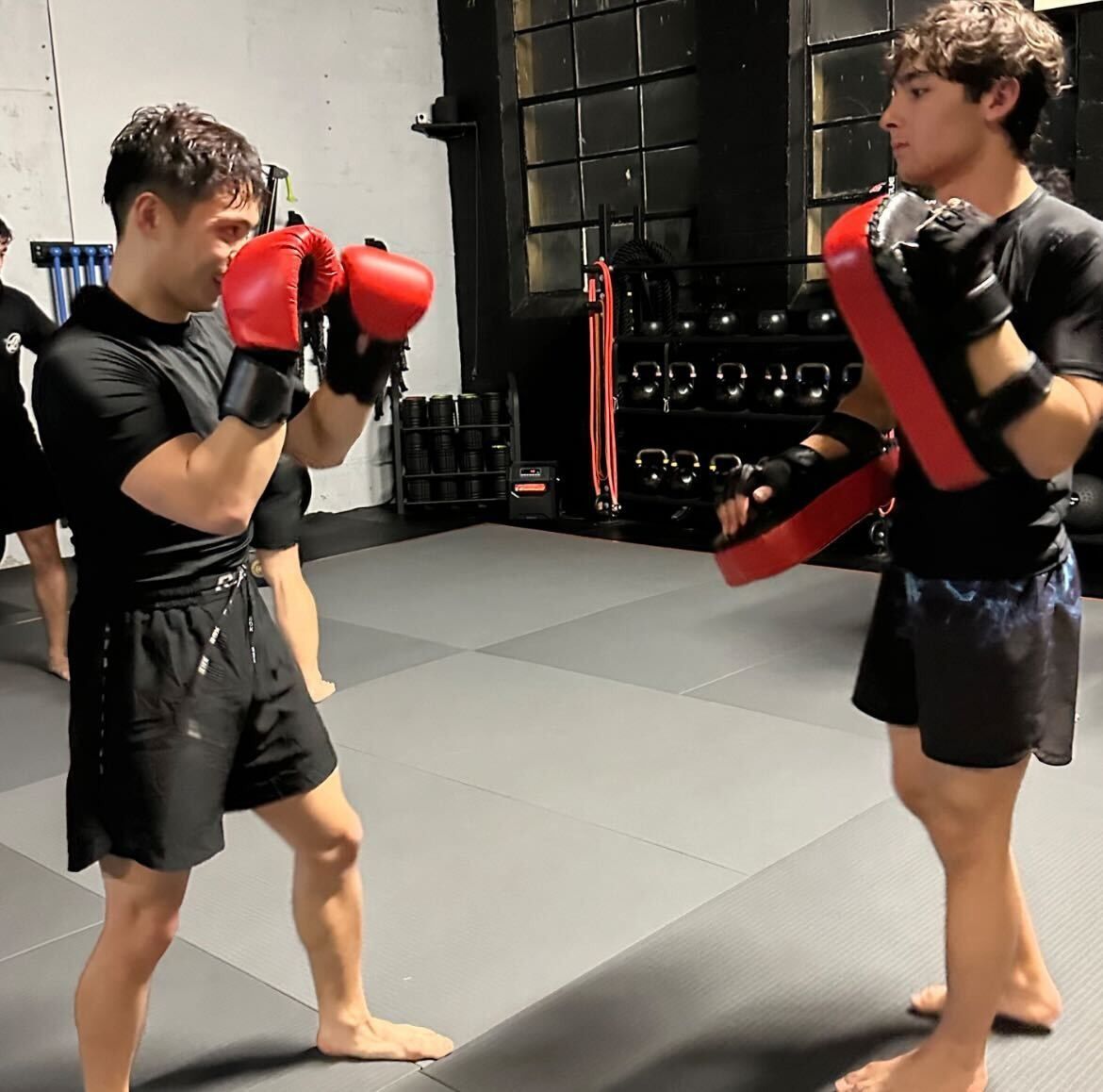
Consistency is where change becomes lasting. We design the program so you can plug into the class schedule even if your work calendar is unpredictable. Classes include technical instruction, drilling, and controlled sparring that matches your experience level and goals. Some days you will focus on escapes and defense. Other days you will build attacks and transitions. Over time, the pieces connect.
A typical progression looks like this:
1. Weeks 1 to 4: learn core positions, safe movement, and basic escapes while building comfort with contact
2. Months 2 to 3: connect positions, increase live rounds gradually, and learn to pace your breathing
3. Months 4 and beyond: develop a personal game, refine timing, and start setting measurable goals
That is not a rigid timeline, and adults move at different speeds. The point is that progress is built into the structure. You are not wandering. You are building.
Common Maplewood questions, answered plainly
Is Jiu-Jitsu safe for adults with no prior experience?
Yes, especially with a progressive curriculum and a culture that prioritizes tapping, communication, and smart partner matching. With 750,000 plus practitioners in the US and 69.1 percent reporting no serious injury, the odds are better than most people assume, and we actively manage the risk factors that new adults worry about.
Will this help with stress and mental clarity?
Yes. Adult Jiu-Jitsu forces focused attention and rapid problem-solving, and that mental training often translates into better concentration and patience outside class. Many adults describe it as “hard, but clarifying,” which is a good summary.
How much time do I need to commit?
The average is about six hours per week, but meaningful progress often starts with two to three classes weekly. The key is consistency, not perfection.
What injuries are common, and how are they prevented?
Sprains and strains in knees, shoulders, and neck are common concerns. We reduce risk through warm-ups that prepare joints, progressive intensity, technique-first training, and clear tapping and communication norms.
Take the Next Step
If you want a routine that reshapes your fitness, your confidence, and your ability to handle pressure, Adult Jiu-Jitsu is one of the most practical paths we know. We built our Adult Jiu-Jitsu in Maplewood, NJ program to meet you where you are, then guide you forward with structure, safety, and real coaching that respects your time.
When you are ready to train in a place that treats consistency as the real superpower, you can start that change with us at Bodega Jiu-Jitsu.
See what makes training at Bodega Jiu Jitsu unique by joining a class today.